 Listicle
Afro Themes: Ideas for Style, Parties and Everyday Wear
Quick Summary
Afro themes are a visual style built from bold colour, repeating geometric shapes and references to African art, textiles and culture. They appear in clothing, home décor, party styling and graphic design. Because the term covers many regions and traditions, choosing one anchor theme keeps the look clear and deliberate.
- Pick one anchor theme and a palette of three to four colours before buying anything.
- Start party planning six weeks out, ordering textiles and feature-wall panels by four weeks out.
- Pair one large-scale print with one small-scale print, and make sure they share at least one colour.
- Offer a plain-clothes alternative in the same palette so guests on lower budgets are not excluded.
- Spend the largest share of a party budget on the feature wall, main table and entrance.
Table of Contents
- Understanding Afro Themes and Afro-Inspired Design
- Choosing a Specific African Theme for Your Event or Look
- Afro Theme Party Ideas: Decor, Food and Entertainment
- Afro-Inspired Fashion: Dress Codes and Everyday Styling
- Geometric African Prints: Patterns, Colours and Mixing Tips
- Afro-Inspired Accessories That Complete the Look
- Planning Your Afro Theme: Next Steps With G4P Selection
- Frequently Asked Questions
Understanding Afro Themes and Afro-Inspired Design
If you have ever wondered why some prints, colours and party décor feel instantly recognisable, you are looking at Afro themes. This guide explains how Afro-inspired themes work across fashion, events and everyday objects.

Afro-inspired design usually starts with a few core ingredients: saturated colours such as ochre, deep green, indigo and gold; strong geometry like triangles, zigzags and concentric circles; and natural motifs drawn from landscape and wildlife.
Afro-inspired does not mean a single look. The term covers many regions, materials and eras, so a theme built on Kente-style woven stripes feels very different from one built on mudcloth or Ankara wax prints. That variety is the reason the theme works so well as a starting point.
Choosing a Specific African Theme for Your Event or Look
Pick one anchor before you buy anything. Afro themes become muddled when a party mixes Egyptian, Yoruba and safari motifs without a clear reason. A single anchor keeps decisions simple and makes the result look deliberate.
Start by asking three questions. What is the occasion? Who is attending? How much of the look should come from clothing, décor and food? A wedding may call for softer, more formal textiles, while a birthday might suit bold geometric prints and bright colour.
Culturally informed choices matter here. Many African traditions carry specific meanings, and certain patterns are tied to particular communities, ceremonies or status. Research the origin of any motif before you use it prominently.
Once you have an anchor, build a short palette of three to four colours and repeat it across every element. A simple test works well: if a guest could pick out the theme from a photo of just one object, the choice is clear enough.
Afro Theme Party Ideas: Decor, Food and Entertainment
A convincing party theme works across the whole room, not just the backdrop. Start with the largest surfaces, then move to the details, and build a simple plan so nothing is left to the last week.
A practical planning timeline
Planning a themed party is easier with a few weeks of runway. A typical sequence looks like this:
- Six weeks out: Choose your anchor theme and palette, set the budget tier, and book the venue or confirm the space at home.
- Four weeks out: Order or make textiles, feature-wall panels and centrepieces. Send invitations with the dress code and a one-line explanation of the theme.
- Two weeks out: Confirm music playlist, plan the menu, and buy non-perishable drinks and serving ware.
- One week out: Print food labels, assemble a setup kit (tape, scissors, spare bulbs, cloth clips), and do a dry run of the feature wall.
- Day before: Set up large surfaces and lighting; leave centrepieces and food for the morning.
Leaving textile orders to the final week can leave less room to choose the print you want.
Decor that does the work
For decor, focus on:
- Textiles: Throws, table runners and cushions in printed cloth do most of the visual work. Repeat one print across two or three surfaces rather than introducing a new pattern on every table.
- Lighting: Warm, low light in amber tones makes geometric prints glow. Battery-operated warm-white string lights avoid trailing cables across a rented room.
- Centrepieces: Woven baskets, carved wooden objects or potted greenery in terracotta pots. Group them in threes at different heights.
- Wall art: Large printed panels or framed illustrations of geometric patterns. A single oversized panel reads better in photos than a scattered gallery wall.
Food and drink with cultural context
Food can carry the theme too, and it is where a little research pays off. Rather than treating African cuisine as one menu, pick dishes that match the region your anchor theme draws from. If your palette leans on West African wax prints, consider jollof-style rice, grilled skewers and fried plantain; if your anchor is East African, lentil stews, flatbreads and spiced tea fit naturally. Label each dish with a short description so guests understand what they are eating and can avoid allergens.
Pair dishes with bold drinks in matching colours: hibiscus-based soft drinks, ginger beer and fruit punches in amber and deep red tones work well and can be served non-alcoholic for mixed groups. Keep water stations visible and separate from the buffet to reduce congestion.
Entertainment and activities
Music sets the tone. Afrobeat, highlife and contemporary African playlists work well for most groups; build a playlist that starts with mid-tempo tracks during arrivals and moves to higher-energy selections after food. Simple activities like a pattern-printing station or a guided textile-making session give guests something to do together and double as favours.
Budget tiers and cost-saving ideas
Pricing depends on quantity, dates and delivery. For current prices, check the G4P website or request a quote.
- Essential tier: Rely on printed table linen, a single feature wall and one or two bold centrepieces. Borrow lighting and music equipment, and use digital invitations.
- Mid tier: Add custom printed cushions, a welcome board and themed food labels. Hire glassware rather than buying it.
- Full tier: Commission bespoke textiles or illustrations and add a full dress code for guests, with a styling note to help them interpret it.
To save money, reuse fabric across several functions, buy plain textiles and print your own motifs, and check local markets before buying online. A useful rule is to spend the largest share of the budget on the surfaces guests photograph most: the feature wall, the main table and the entrance.
The article lays out a practical planning timeline for an Afro-themed party, with each stage's timing and tasks.
| Timing | Task |
|---|---|
| Six weeks out | Choose anchor theme and palette, set budget tier |
| Four weeks out | Order textiles and feature-wall panels, send invitations |
| Two weeks out | Confirm playlist, plan menu, buy drinks and serving ware |
| One week out | Print food labels, assemble setup kit, dry-run feature wall |
| Day before | Set up large surfaces and lighting |
Afro-Inspired Fashion: Dress Codes and Everyday Styling
Afro-inspired fashion works for formal events and daily wear alike, but a themed event needs a dress code that is clear, respectful and inclusive. The key is balance: one statement piece usually does more than head-to-toe pattern, and a well-written dress code helps guests feel confident rather than uncertain.
Writing a respectful dress code
A good dress code can be specific without being restrictive. Suggest a palette, a fabric type or a silhouette, and make clear that guests can interpret it in their own way.
Culturally informed choices matter here. Many African garments carry specific meanings and are tied to particular communities, ceremonies or status. Some African garments carry specific meanings tied to particular communities and ceremonies, so presenting them as a generic costume can feel careless.
Watch out: a dress code that implies guests must buy traditional attire can exclude people on lower budgets or from different backgrounds. Always offer a plain-clothes alternative in the same palette.
Distinguishing cultural garments from costume styling
A useful test is intent and specificity. Wearing a garment you own, or one bought from a designer who works within that tradition, is different from assembling a caricature from props. Avoid fake ceremonial objects, altered sacred symbols and anything that treats a living tradition as a joke. If you are styling a shoot or an event, credit the makers and name the tradition your look draws on where you can.
Everyday styling that lets the print lead
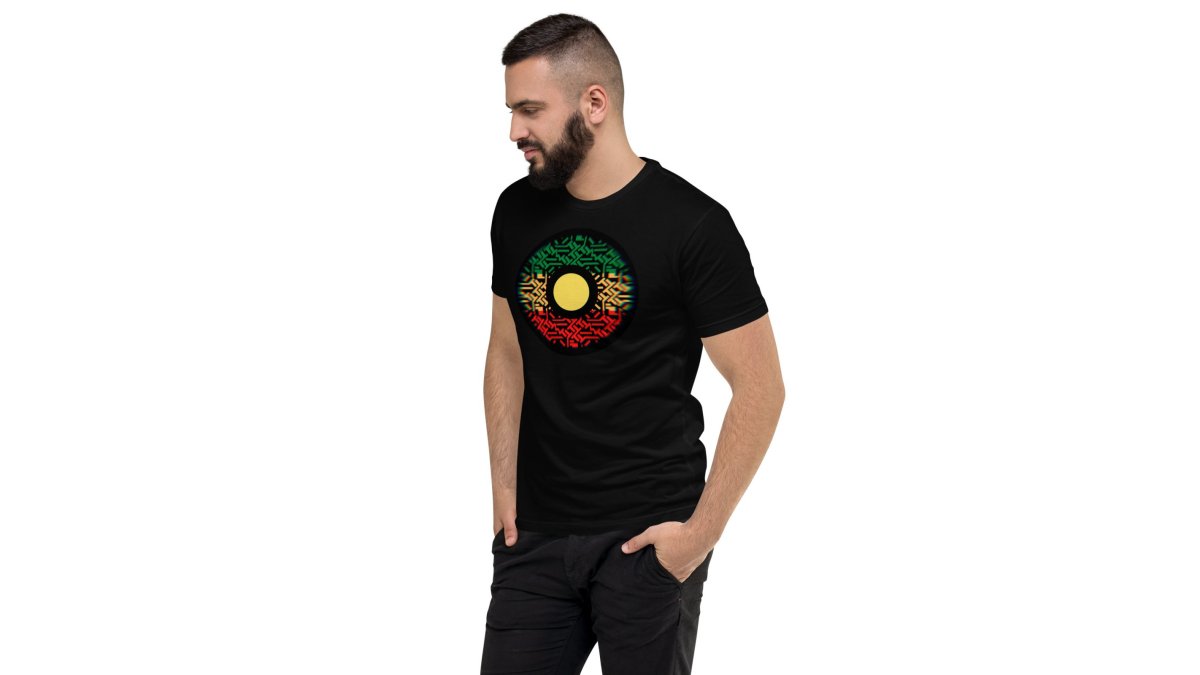
For everyday wear, try pairing a patterned hoodie or jacket with plain trousers and neutral trainers. This lets the print lead without overwhelming the outfit. Patterned pieces like G4P's hoodies and windbreakers can work for everyday wear, from casual days to the weekend.
A simple formula works across most wardrobes: one patterned piece, one neutral base, one accent. If you want to wear two prints, keep them in the same colour family and vary the scale, as covered in the prints section below.
Geometric African Prints: Patterns, Colours and Mixing Tips
Geometric prints are where many Afro-inspired looks start, and they are also where mistakes are most common. For more practical guidance on styling bold geometric patterns for work, see practical styling tips for bold geometric patterns.
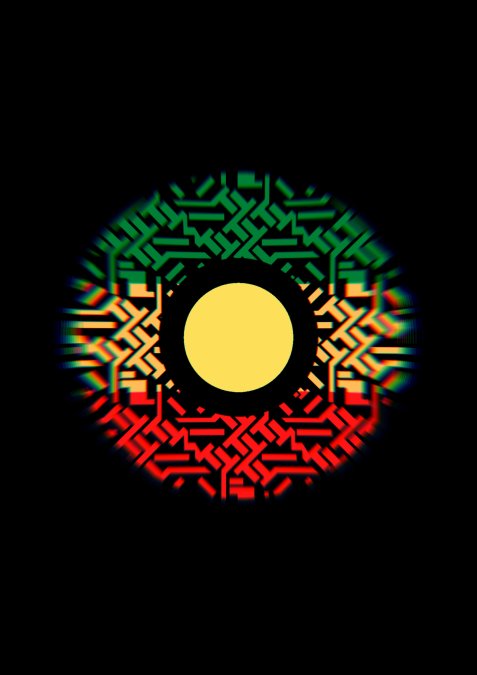
Colour matters just as much. Keep your strongest colour in one or two pieces and let the rest of the outfit stay closer to neutral. Earthy tones such as rust, olive and cream blend well with most patterns. If you want something brighter, anchor it with black or white.
Before mixing, check that the prints share at least one colour. That shared colour is what makes two different patterns look intentional rather than accidental.
Afro-Inspired Accessories That Complete the Look
Accessories are the easiest way to add an Afro-inspired detail without committing to a full outfit. A patterned tech case or a stainless steel bottle with a bold geometric design can carry the theme into everyday life.
Think about where you use each item. A bag that you carry to work should feel practical, while a statement scarf or hat suits social occasions. Matching one accessory to your main garment is usually enough to tie the look together.
G4P's stainless steel water bottles and tech cases feature bold geometric prints. Check the product details on the G4P website for materials and care.
Planning Your Afro Theme: Next Steps With G4P Selection
Start with one anchor theme, set a palette, then choose your décor, food, clothing and accessories in that order. Keep a shared list so everything stays consistent, and check each item against your budget tier before ordering.
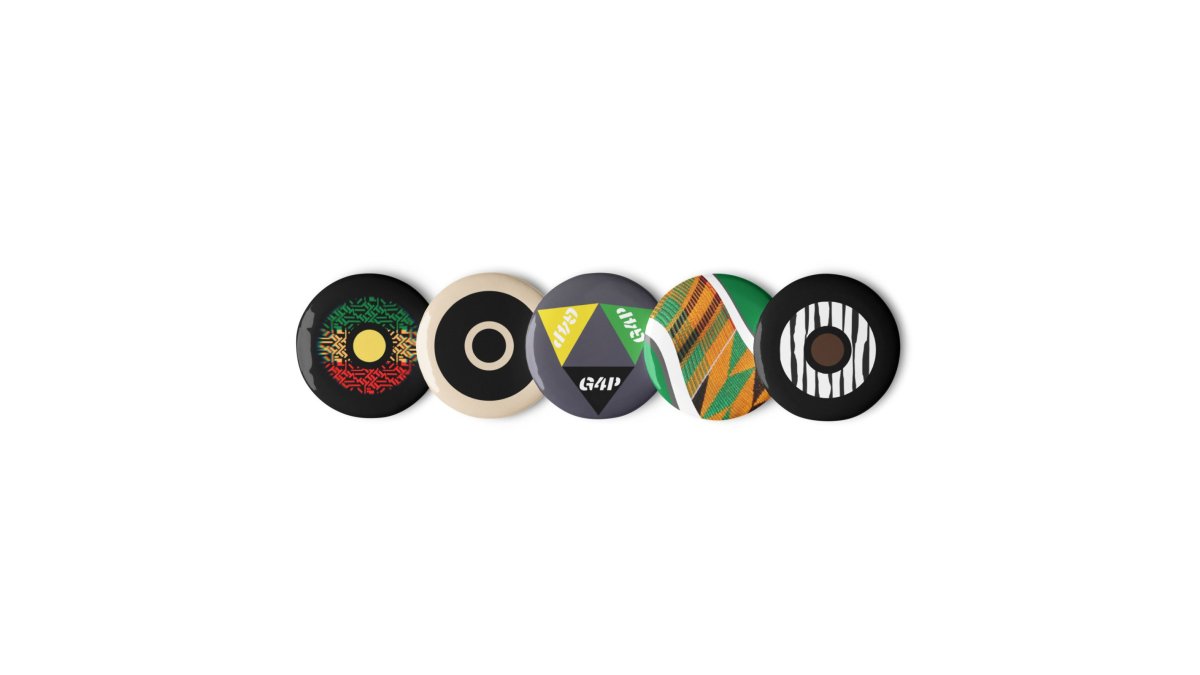
If you want pieces that already share a visual language, browse the G4P Selection, where each product is built around the same geometric print approach. G4P's designs are made to work across fashion and everyday objects, so you can carry one theme through an event or wardrobe.
Last Updated: November 7, 2026
BUTTON: Explore the G4P Selection CARD_TITLE: Want a theme that carries through your whole look? CARD_TEXT: G4P designs geometric prints for apparel and everyday accessories.
Frequently Asked Questions
What does Afro-inspired design mean?
Afro-inspired design draws on visual elements associated with African and African diaspora cultures, such as bold colour, rhythmic repetition and geometric shapes. It is a creative interpretation rather than a reproduction of traditional craft, so designers often reinterpret motifs in modern forms. Afro-inspired pieces suit people who want to express heritage-informed style through contemporary clothing, accessories and home decor, using abstract patterns that feel current rather than costume-like.
What is the difference between Afro-inspired and African-inspired design?
Afro-inspired usually refers to design shaped by the African diaspora, blending African visual influences with contemporary Western or global aesthetics. African-inspired tends to point more directly to designs drawn from specific African regions, cultures or traditional crafts. In practice the terms overlap, and many brands use them interchangeably. When choosing products, look at the designer's description to see whether the work references a particular tradition or a broader modern style.
How can I style Afro-inspired prints for everyday wear?
Start with one statement piece, such as a geometric print hoodie or windbreaker, and pair it with solid trousers in a neutral tone like black, grey or stone. This keeps the look balanced and wearable at work or on weekends. Add one matching accessory, such as a patterned tech case or water bottle, to tie the outfit together without overwhelming it. Solid colours around the print give the eye a place to rest.
How do I use African-inspired patterns without making an outfit feel too busy?
Limit the outfit to one bold pattern at a time and let the rest of the look stay simple. If the top is patterned, choose plain bottoms and minimal jewellery. Pick a colour from the print and repeat it in one or two solid accessories so the pieces feel connected. Scale also matters: a large geometric print reads as bold but calm, while many small patterns together can feel busy.