 Listicle
Best Insulated Stainless Steel Bottles for Hiking in 2026
Last Updated: November 9, 2026
Quick Summary
The best insulated stainless steel bottles for hiking in 2026 are double-walled models with a leakproof seal and a powder-coated finish, which keeps drinks cold and survives drops on rock. Our shortlist includes the Hydro Flask Wide Mouth as the all-round day-hike pick, alongside S'well, YETI Rambler, Bivo Trio, Owala FreeSip and G4P bottles.
- Choose 500ml to 750ml bottles for most day hikes and 1 litre for longer or exposed routes.
- Carry roughly 500ml of water per hour of walking, plus a 500ml reserve for heat or delays.
- Check thread size before buying, since a 63mm wide-mouth opening will not accept a filter directly.
- On winter hikes, carry the bottle inside your pack so it stays liquid longer.
- Deep clean weekly with warm water and bicarbonate of soda, then dry the bottle upside down.
Table of Contents
- Quick Comparison: Best Insulated Stainless Steel Bottles for Hiking in 2026
- The Best Hiking Water Bottles for 2026, Tested on the Trail
- Weight-to-Volume Ratio: The Spec Most Bottle Reviews Skip
- The Best Water Bottle Size for Hiking Depends on Your Route
- How Much Water to Carry on a Hike: A Simple Calculation
- Filtration Compatibility and Cold-Weather Performance
- How to Clean an Insulated Water Bottle Without Damaging the Coating
- Which Bottle Fits Your Pack: Choose Your G4P Selection
- Frequently Asked Questions
Quick Comparison: Best Insulated Stainless Steel Bottles for Hiking in 2026
The best insulated stainless steel bottles for hiking in 2026 balance three things: cold retention, weight, and a lid you can open with cold hands. Our shortlist below covers the bottles that trail testers keep returning to, from the Hydro Flask Wide Mouth to our own G4P bottles.
Here is the shortlist we would pack first:
| Bottle | Best For | Standout Trait | Watch Out For |
|---|---|---|---|
| Hydro Flask Wide Mouth | All-round day hikes | Leakproof closure, slim profile | Heavier than ultralight rivals |
| S'well | Cold-drink retention | Long chill hold | Less rugged in rough terrain |
| YETI Rambler | Rugged build | Impact resistance | Bulk on long treks |
| Bivo Trio | Backpacking and camping | Insulated reusable design | Limited spec detail |
| Owala FreeSip | Straw drinkers | Built-in straw, spill control | Not a weight-first pick |
| G4P | Design-led hiking | Geometric prints, reusable build | Print range, not ultralight focus |
How We Evaluated These Bottles
Trail reviewers such as Switchback Travel's 2026 water bottle guide and OutdoorGearLab's bottle testing put the Hydro Flask at the top for most hikers, and we weighed those findings alongside our own design-led priorities.
If you want to know who is behind these picks and how we approach sustainable design, read our sustainable geometric lifestyle brand review.
The Best Hiking Water Bottles for 2026, Tested on the Trail
The best hiking water bottles in 2026 are double-walled stainless steel models with a leakproof seal and a powder-coated finish. That combination keeps drinks cold, stops condensation ruining your pack, and survives being dropped on rock.
Hydro Flask Wide Mouth: The All-Round Pick
Best for: hikers who want one bottle for hot and cold drinks. Skip if: every gram counts on a fast ultralight route.
S'well and YETI: Cold Retention vs Rugged Build
S'well wins on cold retention. Hikers on a Reddit hiking discussion report it keeps liquids colder for longer than the Hydro Flask, though some describe it as slightly less durable in rough terrain.
YETI's Rambler flips that. Treeline Review's 2026 field testing highlights its durability and user-friendly design for hiking, but the build is heavier and bulkier. If you scramble over rock, YETI is the tougher bet. If you want ice retention on a hot day hike, S'well holds the edge.
Bivo Trio, Owala FreeSip and G4P: Straw, Flow Rate and Design
Bivo Trio is the backpacking pick, listed in REI's expert water bottle advice for camping and office use as well as the trail. Owala's FreeSip adds a built-in straw and spill-preventing design, which suits hikers who drink on the move and hate unscrewing a lid one-handed.
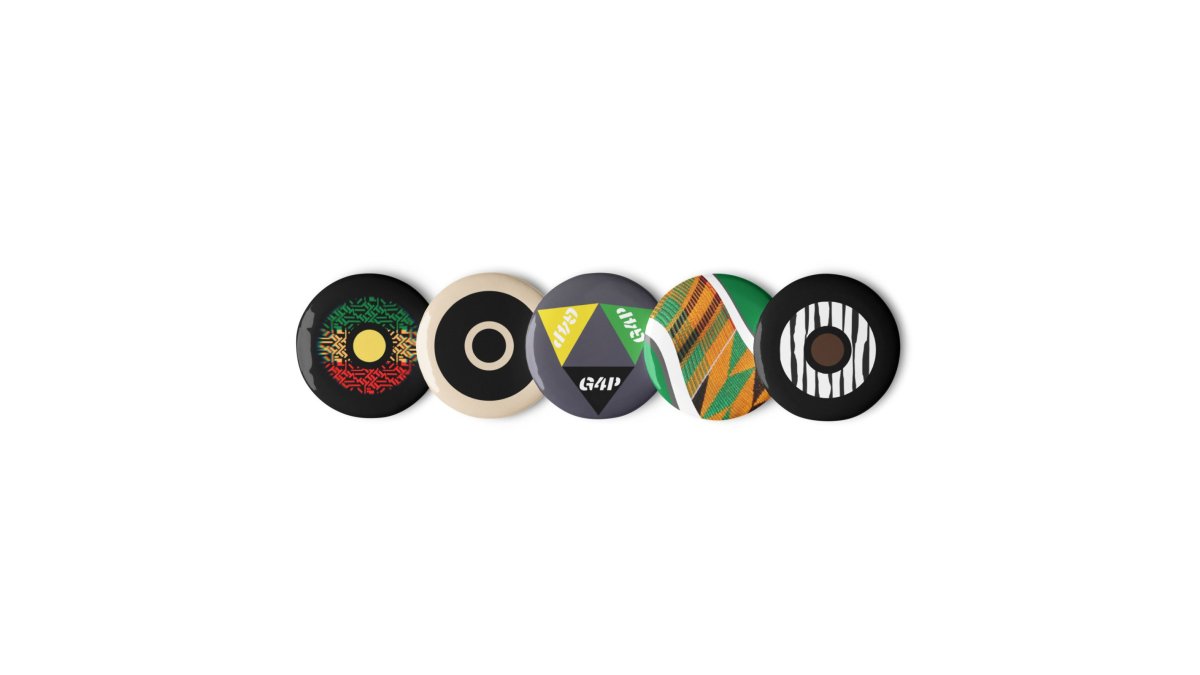
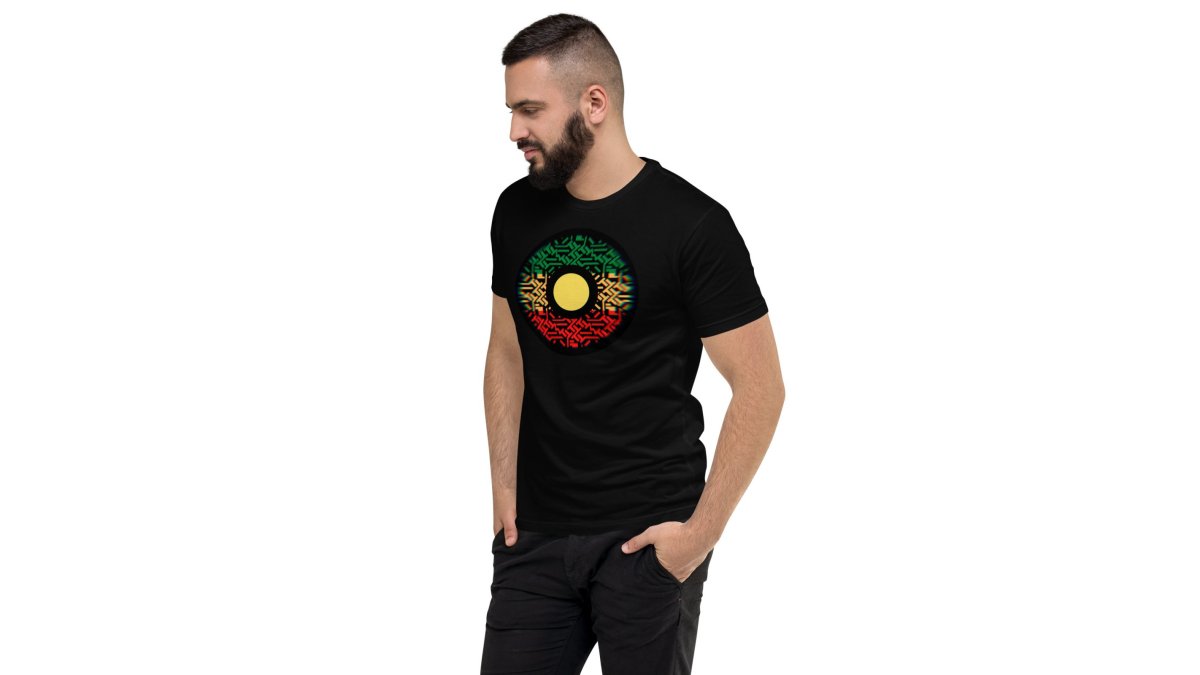
Then there is G4P. Our stainless steel bottles carry geometric prints, so a functional piece of kit doubles as a design statement.
Best for: hikers who want a bottle that reflects their style. Skip if: you are counting grams for a fastpacking route.
Weight-to-Volume Ratio: The Spec Most Bottle Reviews Skip
Weight-to-volume ratio tells you how much water you carry per gram of bottle, and it is the number most reviews ignore. The metric that matters is empty weight in grams divided by capacity in litres, grams per litre. A 500ml bottle that weighs 300g empty is a poor deal next to a 750ml bottle at 350g, because you are carrying metal, not water.
The pattern is clear: larger bottles tend to score better on grams per litre because the lid and base hardware are a fixed cost spread over more capacity. That is why a 750ml bottle often beats a 500ml bottle on efficiency even though it is heavier in absolute terms.
How to use the number on a real route:
- Day hikes: a lighter bottle matters less than a leakproof lid, so prioritise seal quality over grams per litre.
- Multi-day treks: every 100g saved compounds over 20km, so compare bottles at the capacity you will actually carry, not at the size on the shelf.
- Ultralight hiking: a hydration bladder alternative wins on weight but loses on durability, so the trade-off is puncture risk against grams saved.
The practical rule: pick the smallest bottle that covers your longest leg between refills, then check the empty weight and divide by capacity. A heavier bottle you refill less often can still be the lighter choice overall, because the water you do not carry is the heaviest thing in your pack.
Watch out: manufacturers often quote weight for the smallest size in a range, so a 1 litre version of the same bottle can weigh 40-50% more than the figure on the spec sheet, check the weight for the exact size you intend to buy.
The Best Water Bottle Size for Hiking Depends on Your Route
The best water bottle size for hiking is 500ml to 750ml for most day hikes, and 1 litre for longer or exposed routes. Size should follow your refill points, not habit.
A short, shaded day hike with a stream crossing needs less than an exposed ridge walk with no water source. Wide-mouth openings make refilling from a stream or tap faster, which is why we favour them on trail-ready bottles. If you carry a filter, a wider mouth also means you can fill without a funnel.
Watch out: buying a 1 litre bottle for a two-hour walk adds weight you will feel on every climb. Match capacity to distance, then adjust after your first outing.
How Much Water to Carry on a Hike: A Simple Calculation
How much water to carry on a hike comes down to a simple sum: roughly 500ml per hour of walking, plus extra in heat or on steep ground. Add a reserve for delays and you have a workable figure.
Use this checklist before you set off:
- Estimate hours on the trail, including stops
- Multiply by 500ml per hour
- Add 500ml reserve for heat, wind or delays
- Check refill points on the route
- Subtract water you can safely filter en route
- Match the total to your bottle size
For a four-hour walk, that is 2 litres plus a reserve. Two 1 litre bottles, or one bottle plus a filter, covers it without a hydration bladder.
Filtration Compatibility and Cold-Weather Performance
Filtration compatibility is the gap most bottle reviews skip, and it is where a bottle either earns its place on a multi-day route or becomes dead weight. The critical spec is thread size: most screw-on backcountry filters use a 28mm or 42mm thread, and a wide-mouth bottle with a 63mm opening will not accept a filter directly. Check the thread pitch before you buy, a bottle that fits a filter lets you drink straight from the source without a second container, while a mismatched neck forces you to filter into a cup first and decant.
A common pattern among long-distance hikers is to pair a wide-mouth 1 litre bottle with a screw-on filter and a soft flask as backup. The bottle becomes the dirty-water vessel, the filter screws onto the neck, and clean water goes into the flask or a second bottle. That setup only works if the bottle's neck is compatible, so verify the thread standard rather than assuming all wide mouths are the same.

Cold weather changes the maths in ways that generic guides ignore. Carry the bottle inside your pack, invert it occasionally to keep the seal exercised, and keep the lid clear of ice build-up.
For winter day hikes, a 750ml bottle carried inside the pack alongside a soft flask gives you a reserve that stays liquid longer than an exposed bottle. The practical rule is to treat the bottle as part of your insulation system, not as an external accessory.
How to Clean an Insulated Water Bottle Without Damaging the Coating
A weekly deep clean keeps tastes out:
- Fill with warm water and a spoon of bicarbonate of soda
- Leave for 30 minutes, then brush the base and shoulders
- Rinse thoroughly and dry upside down
- Soak the lid separately to clear the seal
Which Bottle Fits Your Pack: Choose Your G4P Selection
Choosing a bottle is really choosing a set of trade-offs: weight against durability, straw against wide mouth, plain steel against print. Our advice is to start with the route, then pick the bottle that makes the route easier.
For hikers who want function and design in one piece of kit, G4P's stainless steel bottles bring geometric prints to a reusable format. You can browse the full range and shop stainless steel water bottles with abstract designs to match your pack.
The hardest part of packing for a hike is not the route. It is committing to one bottle that covers weight, insulation and style without compromise. G4P builds reusable stainless steel bottles with exclusive geometric prints, so your hydration kit carries the same design language as the rest of your gear. Browse the G4P Selection and pick a bottle that works as hard as it looks.
Frequently Asked Questions
What is the best insulated stainless steel bottle for hiking?
Match the bottle to your route: a day hike rewards low weight, while a multi-day trek rewards durability.
What size water bottle is best for hiking?
Most hikers are best served by a 750ml to 1 litre bottle, with a second bottle or a hydration bladder for longer days. The right size depends on distance, weather and whether you can refill. A 500ml bottle suits a short two-hour walk; a 1 litre bottle covers most half-day hikes. Check that the bottle fits your pack's side pockets before you buy.
How much water should I carry on a hike?
A common starting point is 500ml to 750ml per hour of walking, adjusted upward in heat or steep terrain. A two-hour lowland walk might need 1 to 1.5 litres; a full day on exposed hills can need 3 litres or more. Carry more than you expect to drink and plan refill points. Insulated bottles help because cold water is easier to drink steadily, which matters more than the total capacity you pack.
Are stainless steel water bottles too heavy for hiking?
An insulated stainless steel bottle weighs more than a single-wall plastic one, but the gap is smaller than many hikers assume. For ultralight hiking, choose the smallest capacity that covers your route and refill more often.
How do you clean an insulated stainless steel bottle?
Wash the bottle after every hike with warm water and a bottle brush, using a small amount of washing-up liquid. Rinse thoroughly and leave it open to air-dry. For deeper cleaning, use a mixture of bicarbonate of soda and water, leave it for 30 minutes, then rinse.