 Listicle
Durable Patterned Apparel for Daily Wear: 7 Top Picks
Table of Contents
- Quick Comparison: Durable Patterned Apparel for Daily Wear
- How We Evaluated These Durable Patterned Pieces
- 1. G4P: Exclusive Geometric Prints Built for Everyday Utility
- 2. Comfort Colors: Heavyweight Cotton That Softens With Every Wash
- 3. Paul & Shark: Luxury Knitwear Engineered for Decades of Wear
- 4. American Giant: Reinforced Hoodies That Resist Pilling and Stretching
- 5. Reformation: Sustainable Patterned Apparel With Artist-Inspired Prints
- 6. Buck Mason: Modern Staples in Slub Cotton and Heavyweight Jersey
- How to Care for Patterned Clothing So Prints Last
- Frequently Asked Questions
Last Updated: September 26, 2026
Quick Comparison: Durable Patterned Apparel for Daily Wear
The global t-shirt market alone is worth $30.68 billion in 2026, and it's growing at 4.3% a year (Printful's 2026 industry statistics(https://www.printful.com/blog/t-shirt-industry-statistics)). Yet most patterned apparel falls apart long before it should. Clothing is now worn just 7 to 10 times before being discarded, a decline of more than 35% in 15 years (Uniform Market's fast fashion statistics(https://www.uniformmarket.com/statistics/fast-fashion-statistics)).
That gap between what shoppers want and what they get is the whole problem. Durable patterned apparel for daily wear should survive a real rotation: the commute, the desk, the wash cycle, repeat. This guide breaks down seven pieces that actually hold up, ranked by construction, print longevity, and cost-per-wear.
Here's the short version:
| Brand | Starting Price | Best For | Standout Strength |
|---|---|---|---|
| G4P | Check site | Bold geometric prints | Exclusive designs, print durability |
| Comfort Colors | £15.00 | Thick cotton basics | Garment-dyed, pre-shrunk |
| Paul & Shark | £150.00 | Long-term knitwear investment | Reinforced seams, high-density knit |
| American Giant | £80.00 | Heavy-duty hoodies | Resists pilling and stretching |
| Reformation | £45.00 | Eco-conscious shoppers | Artist-inspired prints |
| Buck Mason | £35.00 | Minimalist staples | Shape-retaining slub cotton |
How We Evaluated These Durable Patterned Pieces
Every pick here was judged on the same five criteria, and the weighting matters more than the list itself.
Fabric density and fibre integrity carried the most weight. Heavier fabrics resist thinning at stress points, which is where most daily-wear garments fail first. Print adhesion and colourfastness came second, because a bold pattern that fades in six washes is a solid-colour shirt with extra steps. Seam reinforcement and garment construction followed, then cost-per-wear over a realistic two-year lifecycle, and finally ethical manufacturing credentials.
What most guides miss is that durability isn't one thing. A heavyweight cotton tee with a weak print and a lighter tee with a bonded print can both fail, just in different places. We scored them separately for that reason.
How to spot weak construction before you buy
You don't need to be a textile engineer to judge a patterned garment. Four checks cover most of it.
Hold it up to a light. A tight weave blocks most of the light; a loose one lets it through in a visible grid. Tight weaves hold print better and resist pilling because the fibres can't work their way to the surface as easily. If you can see individual yarns clearly through the fabric, expect pilling within a season of daily wear.
Rub the surface with your thumb. Pilling happens when short fibres escape the weave and tangle. If loose fibres come away on your hand, the fabric is already shedding and will pill faster. This is most common on loosely spun cotton and cheap acrylic blends.
Stretch the print area gently. A screen print should flex without a visible white line appearing at the fold. If the ink cracks when you stretch it, it will crack in the wash. A DTG or sublimated print will stretch with the fabric because the colour is in the fibre, not on it.
Check the seams at the stress points. Look at the shoulder, side seam, and hem. Double-needle stitching, flatlock seams, and reinforced bar tacks at pocket corners are the markers of a garment built for rotation.
Why pattern type changes the durability equation
A large solid block of colour hides wear better than a fine repeat. Small-scale prints, tight checks, and dense florals show fading and pilling more obviously because any disruption breaks the visual rhythm of the pattern. If you want a patterned piece to look good for years rather than months, a mid-to-large motif on a tight weave will always outlast a busy micro-print on a loose one, even when the underlying fabric is identical.
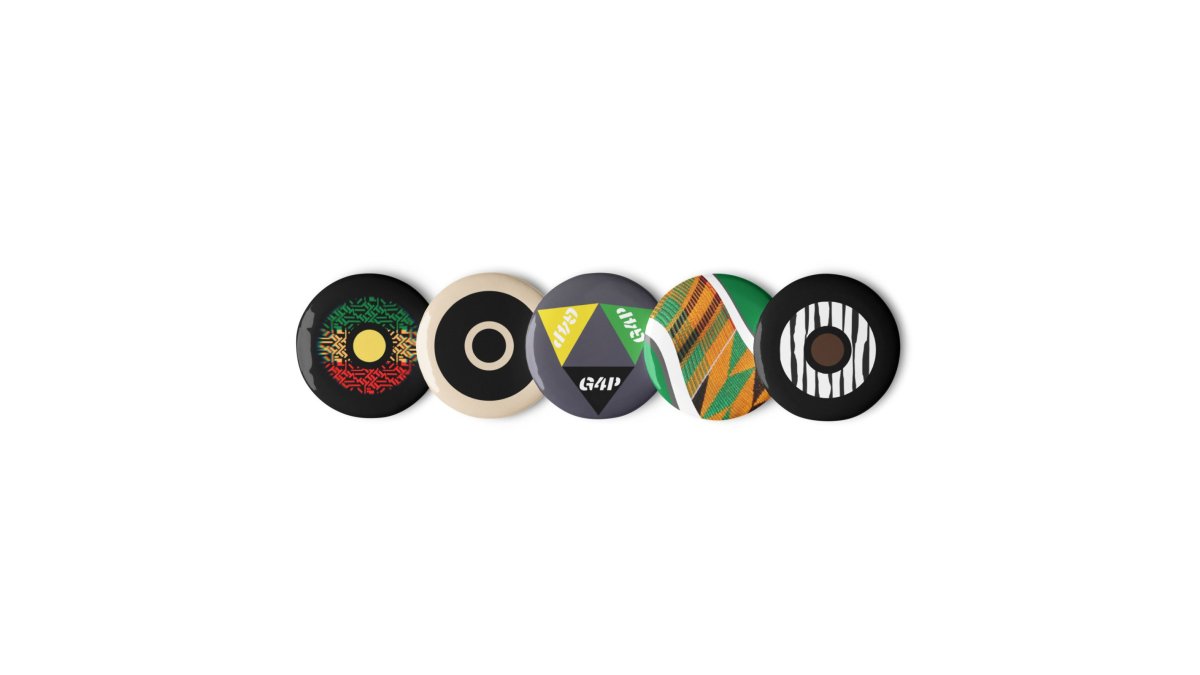
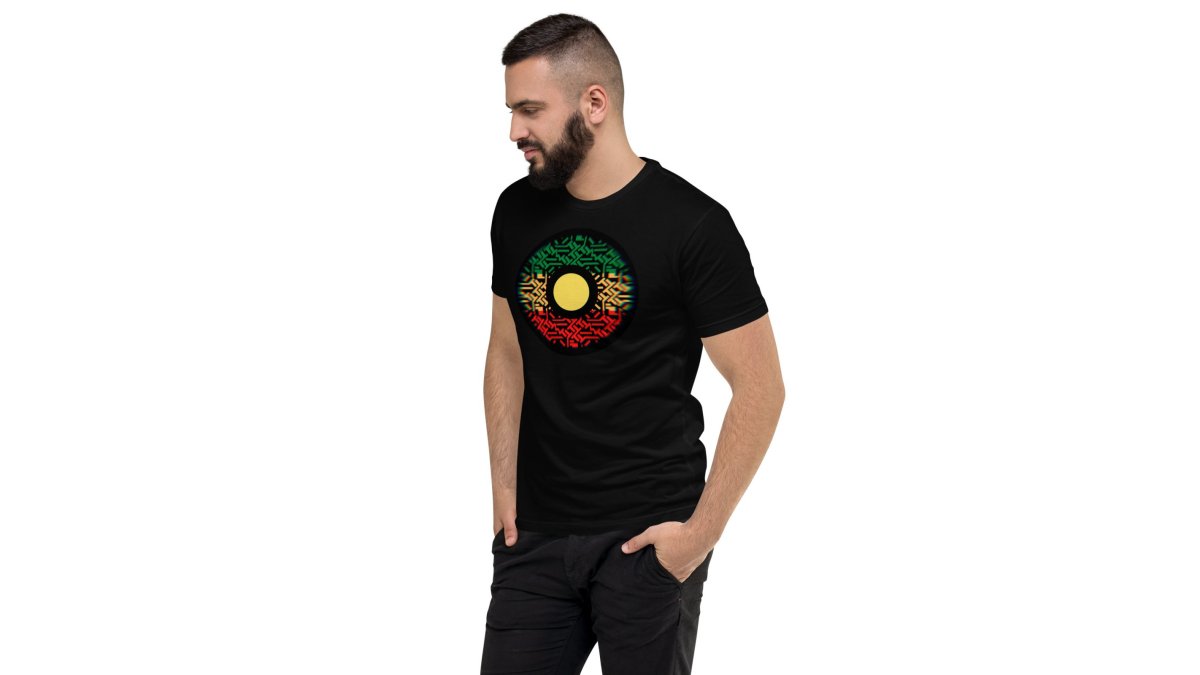
1. G4P: Exclusive Geometric Prints Built for Everyday Utility
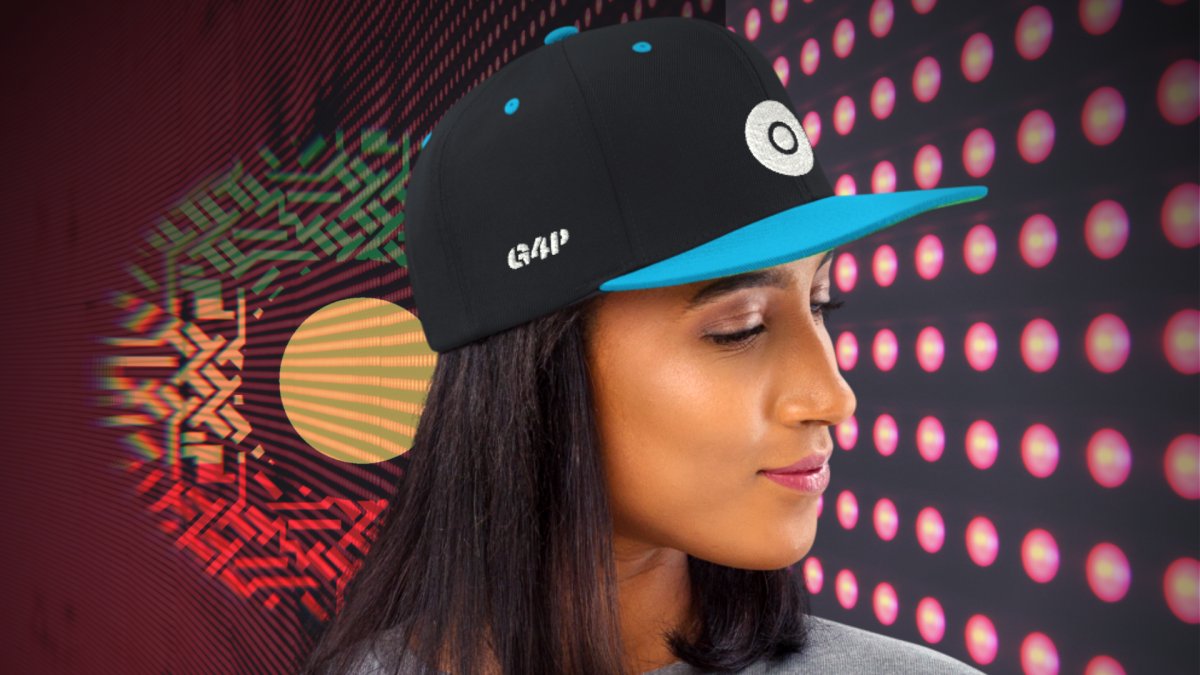
G4P offers patterned apparel that keeps its print through a daily rotation.
2. Comfort Colors: Heavyweight Cotton That Softens With Every Wash
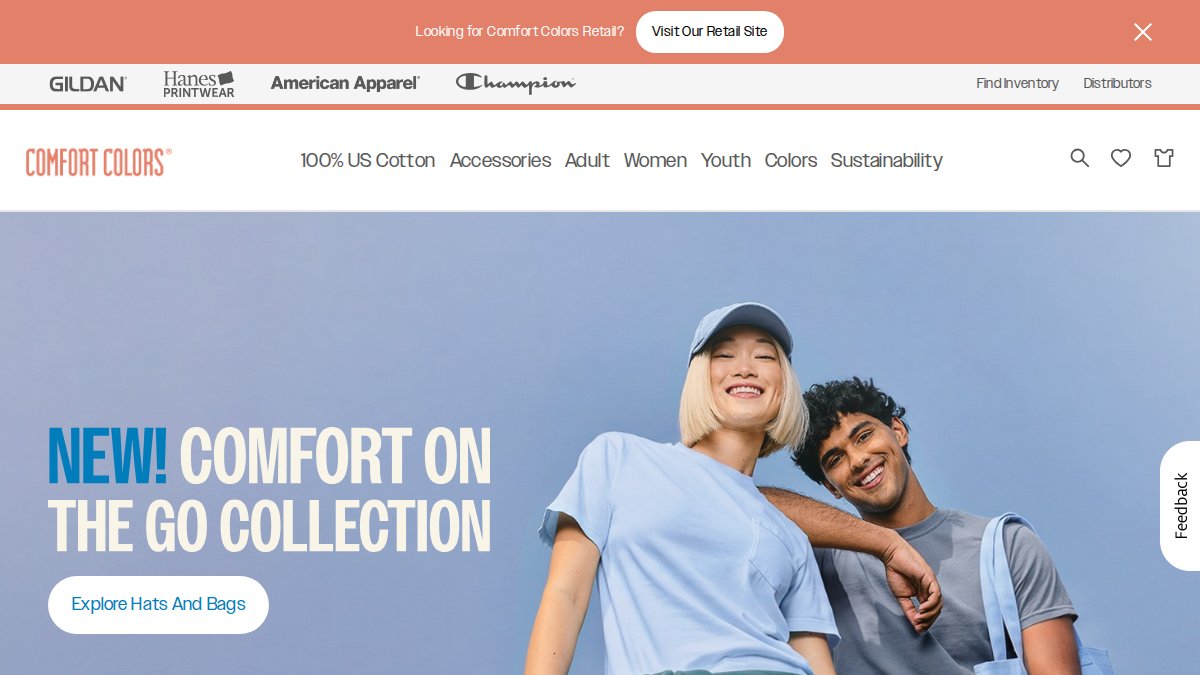
Comfort Colors builds for people who want a tee that outlasts the trend cycle, starting around £15.00.
3. Paul & Shark: Luxury Knitwear Engineered for Decades of Wear
Paul & Shark sits at the top of the price bracket, from roughly £150.00, and it earns that position through material quality rather than branding.
4. American Giant: Reinforced Hoodies That Resist Pilling and Stretching
American Giant's reputation rests on fabric weight, with hoodies starting around £80.00.
5. Reformation: Sustainable Patterned Apparel With Artist-Inspired Prints
Reformation pairs detailed, artist-inspired prints with regenerative and recycled fibres, from about £45.00.
6. Buck Mason: Modern Staples in Slub Cotton and Heavyweight Jersey
Buck Mason modernises wardrobe staples with slub cotton and heavy-weight jersey, starting near £35.00.
How to Care for Patterned Clothing So Prints Last
Most care guides stop at "wash cold, turn inside out." That advice is fine as far as it goes, but it treats every patterned garment as if the print were applied the same way. It isn't, and the technique used to put a pattern onto fabric dictates how you should wash it.
Match your care routine to the print technique
Screen printing lays a relatively thick layer of ink on top of the fabric. It's the most common method for bold graphics and holds colour well, but the ink film can crack along fold lines if it's flexed repeatedly at high heat. Screen-printed pieces benefit most from inside-out washing and low-temperature drying, because the failure mode is mechanical cracking, not dye loss.
A practical routine that works across all four
- Wash at 30°C or lower on a gentle cycle
- Turn screen-printed and DTG items inside out; yarn-dyed and sublimated items don't need this
- Skip fabric softener, it leaves a residue that dulls prints and reduces breathability
- Air dry in shade; direct sun fades dyes faster than any wash cycle
- Iron on reverse only, and never directly on a screen print
- Rotate garments so no single piece takes the full weekly load
That last point matters more than people expect. A daily rotation of five pieces spreads the wear and roughly doubles each garment's lifespan compared with wearing the same favourite twice a week.
What to do when a print does start to fail
A cracked screen print can't be repaired, but you can slow the spread by washing it less often and never tumble drying it. A faded DTG print can sometimes be revived slightly with a colour-safe detergent, though the improvement is marginal. The realistic answer is that once a print has visibly degraded, the garment's patterned life is over, which is exactly why buying the right print technique up front matters more than any aftercare trick.
Frequently Asked Questions
What is the best fabric for durable patterned apparel worn daily?
Heavyweight ring-spun cotton and tri-blend fabrics offer the best balance of durability and print adhesion for daily wear. Cotton above 200gsm resists pilling and holds shape after repeated washing. For patterned apparel, fabric density matters because looser weaves allow print inks to crack along fibre flex points. Look for pre-shrunk, garment-dyed options which use double-needle stitching and reinforced seams to extend garment lifecycle.
How can you tell if patterned clothing is high quality?
Check three things: fabric weight, seam construction, and print method. A quality patterned piece feels substantial, not thin or papery. Look for reinforced seams at stress points like shoulders and hems. For prints, direct-to-garment and all-over print methods on high-density fabric offer better print adhesion than cheap screen printing on lightweight blanks. High-density knitting and colour-fast dyeing can help maintain both fabric integrity and pattern clarity over time.
Does the printing method affect how long patterns last on daily wear?
Yes. Direct-to-garment (DTG) and all-over print (AOP) methods bond ink into the fabric fibres, which resists cracking better than surface-level screen printing on low-quality blanks. For patterned apparel worn daily, choose garments where the print feels integrated into the fabric rather than sitting on top, as these withstand repeated washing without fading or peeling.
How should I care for patterned clothing to make it last longer?
Wash patterned apparel inside out in cold water on a gentle cycle to protect print adhesion and colourfastness. Avoid fabric softeners, which break down fibres and dull prints. Hang dry or tumble on low heat; high heat accelerates pilling and causes prints to crack. For geometric or abstract patterns, turn the garment inside out before washing to reduce friction on the printed surface.
What is the 3-3-3 rule for clothes and does it apply to patterned apparel?
The 3-3-3 rule suggests you should be able to wear a garment three times before washing, for three seasons, and in three different outfit combinations. For durable patterned apparel, this rule works well if you choose versatile geometric or abstract prints that pair with multiple plain pieces. Fabric density and wrinkle resistance determine whether a garment holds up across seasons. Brands focused on textile longevity design pieces that fit this framework for sustainable consumption.
Finding patterned apparel that survives real daily wear means choosing construction over novelty, and that's exactly where G4P focuses. Every piece is built around exclusive geometrical design prints that hold their colour and shape through repeated washing, with matching accessories like stainless steel water bottles and tech cases to complete the look. Subscribe to G4P and build a rotation that lasts.