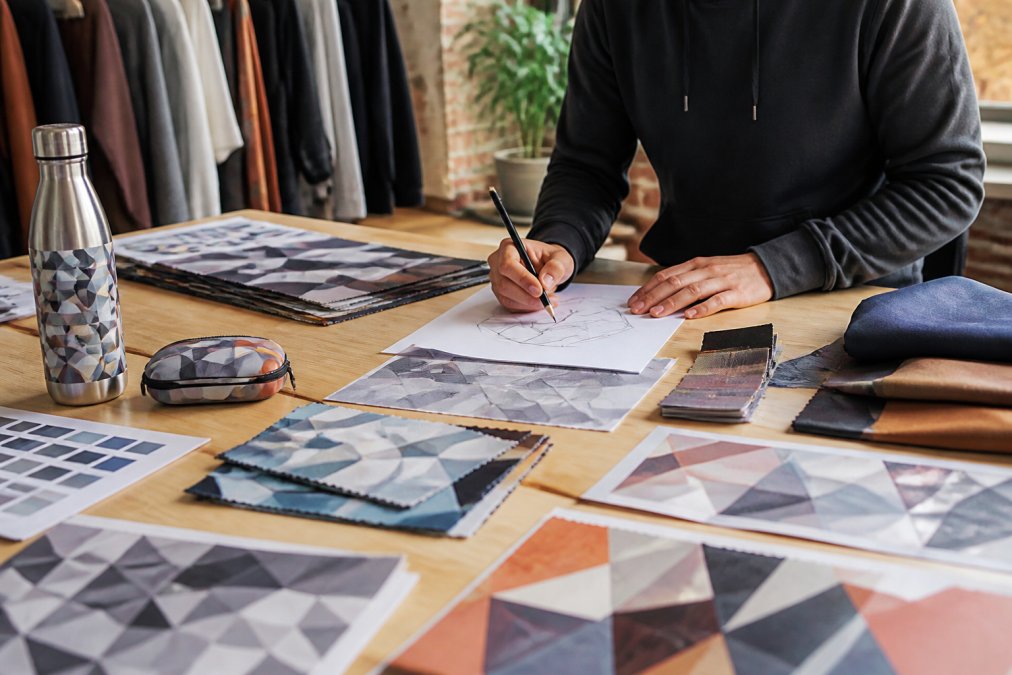
 Listicle
Geometry Alternatives for Unique Apparel: 2026 Guide
Table of Contents
- Why Geometry Alternatives Are Reshaping Unique Apparel
- Organic and Asymmetric Shapes: The Leading Geometry Alternatives
- Abstract Pattern Clothing Trends Defining 2026
- Minimalist Graphic Hoodies for Men: Clean Lines Without the Grid
- How to Style Unique Graphic Prints Without Overwhelming Your Outfit
- Sustainable Approaches to Non-Geometric Apparel Design
- Conclusion: Finding Your Geometry Alternative
- Frequently Asked Questions
Last Updated: September 14, 2026
Why Geometry Alternatives Are Reshaping Unique Apparel
The global adaptive clothing market is projected to grow from $18.93 billion in 2026 to $30.31 billion by 2034, a 6.06% CAGR that signals a broader shift in how people think about getting dressed (Fortune Business Insights adaptive clothing market report). Geometry alternatives for unique apparel sit at the centre of that shift. Instead of rigid grids and predictable symmetry, designers are reaching for organic curves, asymmetric hemlines, and abstract prints that read as personal rather than mass-produced. This guide from G4P breaks down the shapes, styling approaches, and sustainable methods defining the category in 2026. The throughline is simple: the old rules of geometric dressing were built for uniformity. The new ones are built for expression.
Organic and Asymmetric Shapes: The Leading Geometry Alternatives
Organic and asymmetric shapes are the leading geometry alternatives because they replace rigid grids with flowing lines, uneven hemlines, and irregular proportions that flatter a wider range of body types. A curved seam or dropped shoulder does more for visual balance than a perfect square ever will. The shift matters because traditional sizing practices have long struggled to serve real bodies, a limitation documented in University of Minnesota research on sizing practices in small womenswear businesses.
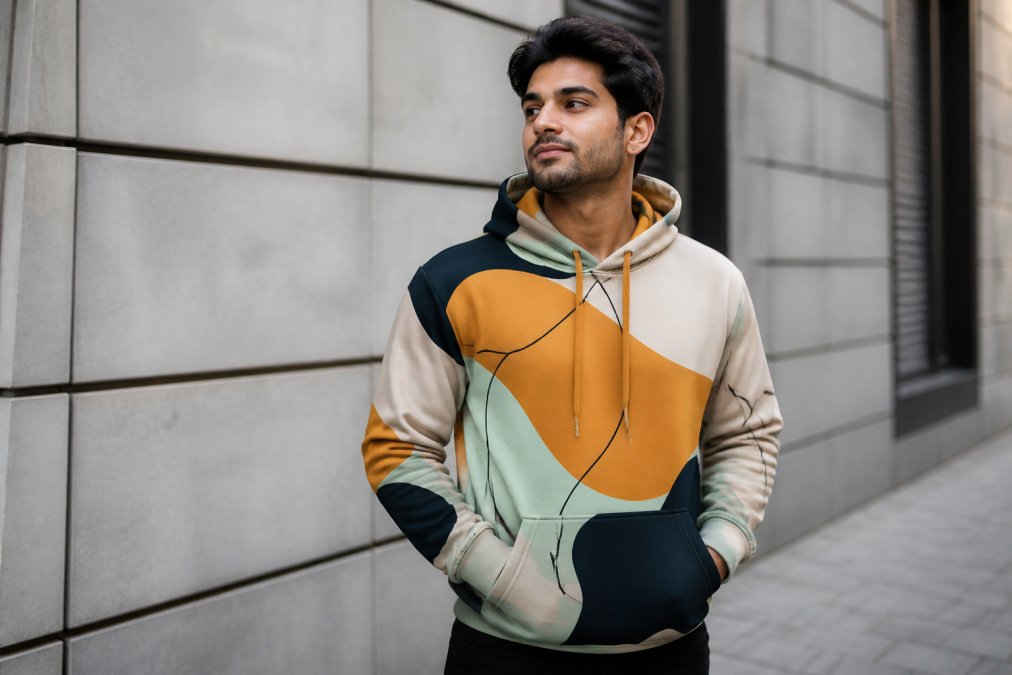
Asymmetric design also opens up draping techniques that flat geometric patterns cannot achieve. Where a symmetrical garment forces the body to conform, an asymmetric cut works with movement. The result is apparel that feels engineered for the person wearing it rather than the other way around.
Abstract Pattern Clothing Trends Defining 2026
Abstract pattern clothing trends in 2026 lean toward irregular shapes, layered negative space, and digital printing that allows small runs without waste. The casual wear segment accounted for 35.85% of the broader apparel market this year, while synthetic materials held a 56.23% share, according to Fortune Business Insights apparel market data. That dominance of casual, synthetic-led production is exactly why abstract prints have spread so quickly: digital printing makes short, experimental runs viable.
Three trends stand out:
- Irregular organic motifs replacing clean geometric repeats
- Layered negative space creating depth without heavy pattern
- Digital printing enabling one-off designs at scale
What most trend reports miss is that abstract prints succeed because they resist the grid. A zigzag or a soft curve reads as intentional in a way a repeating square never does.
Minimalist Graphic Hoodies for Men: Clean Lines Without the Grid
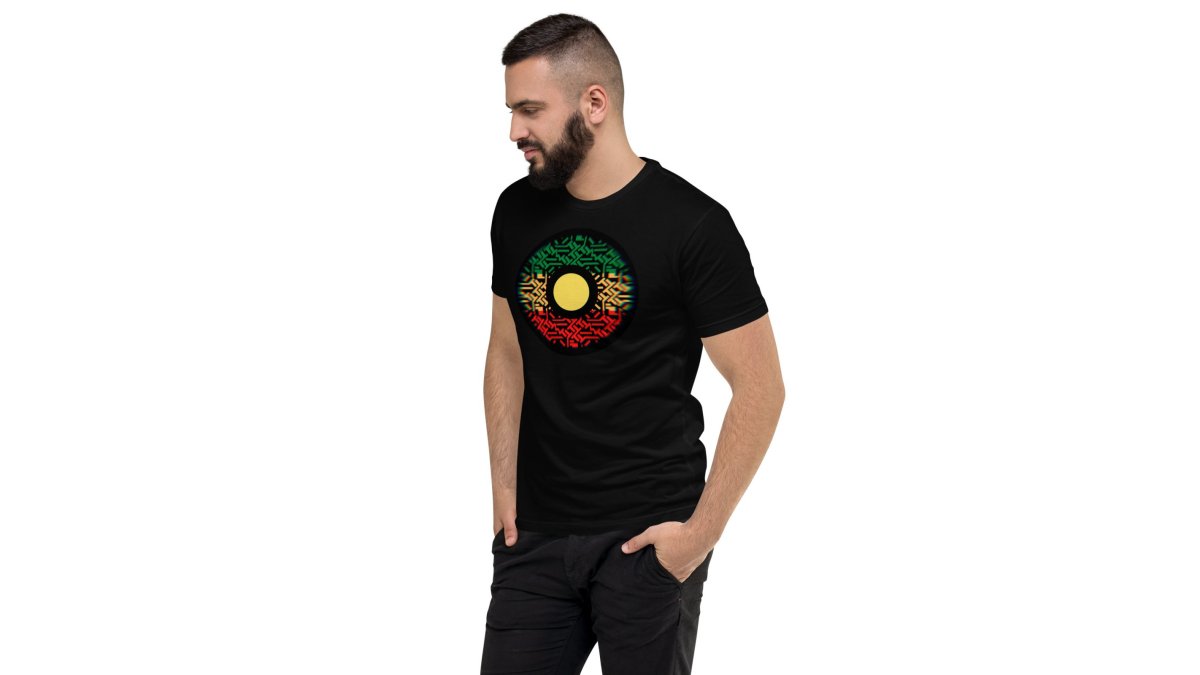
Minimalist graphic hoodies for men prove that restraint and geometry alternatives are not opposites. The best examples use a single asymmetric line, an offset logo, or a subtle abstract motif rather than a full grid. Clean lines without the grid come down to proportion: one strong shape placed well beats five competing ones.
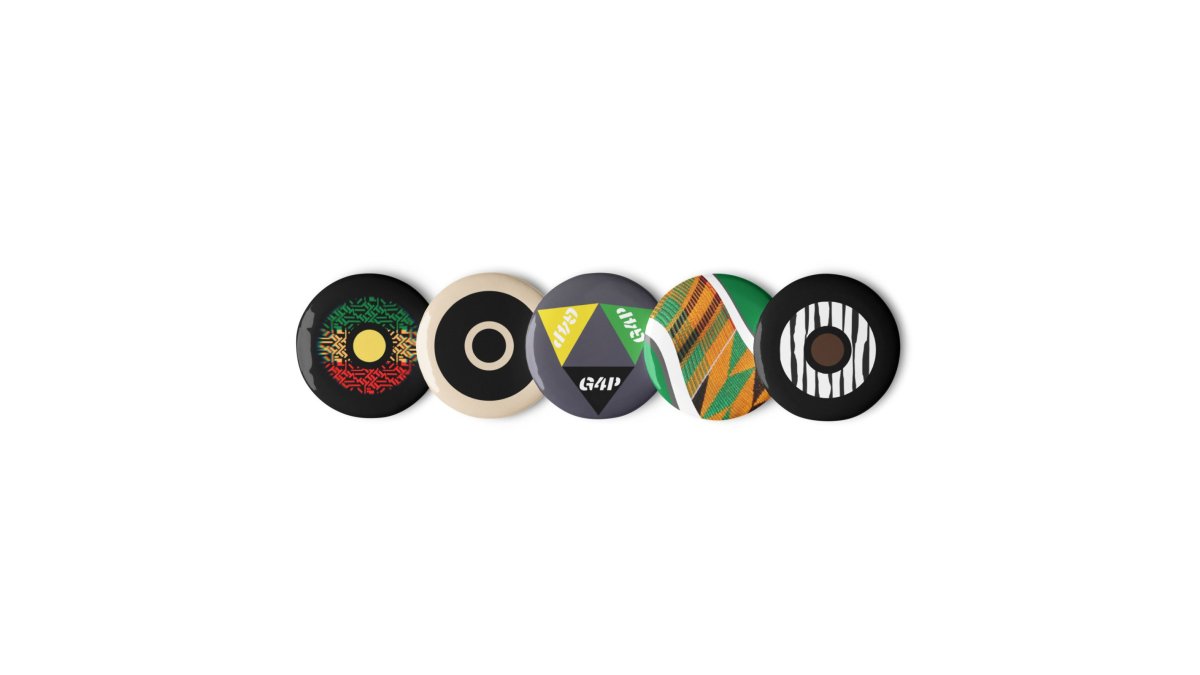
For anyone building a minimalist wardrobe, a graphic hoodie works as a statement piece precisely because the rest of the outfit stays quiet. Pair it with plain trousers and neutral trainers, and the hoodie carries the visual weight. G4P's range of hoodies and windbreakers applies this principle directly, using exclusive abstract prints on everyday pieces so the design does the talking without overwhelming the wearer.
How to Style Unique Graphic Prints Without Overwhelming Your Outfit
Styling unique graphic prints comes down to one rule: let the print lead and keep everything else neutral. A bold abstract hoodie or windbreaker needs plain trousers, muted shoes, and minimal accessories. When two loud patterns compete, both lose.
Where most styling advice stops is the body. The same asymmetric print behaves differently depending on height, frame and proportion, so the useful version of this section is body-type specific, an angle the generic listicles on this query almost never cover.
If you are petite or short-waisted. Keep the print high and the hemline clean. An abstract motif placed on the chest or shoulder draws the eye upward and lengthens the line, while a print that sits at the hip can visually cut you in half. Choose cropped hoodies over longline ones, and pair with a straight or slightly tapered trouser rather than anything wide.
If you are tall or long-limbed. You can carry a larger, lower-placed motif that shorter frames cannot. A full-front abstract print or an asymmetric panel running down one side works because your vertical line absorbs the scale. Avoid tiny, centred logos, they read as an afterthought on a long frame.
If you are broad-shouldered or athletic. Diagonal and curved prints soften a strong shoulder line in a way horizontal bands cannot. A single asymmetric line running from shoulder to hem breaks up width, whereas a wide horizontal stripe across the chest adds it.
If you are curvy or fuller-figured. Placement matters more than size. A print that follows the body's existing curves looks intentional; one that fights them looks accidental. Offset motifs and vertical-leaning abstracts elongate, while dense all-over grids can flatten. Keep the print on one zone, sleeve, side panel or hem, and leave the rest solid.
A practical framework for building an outfit around a statement print:
| Element | Safe Choice | Bold Choice | Best For |
|---|---|---|---|
| Base layer | Plain tee | Contrasting abstract | Layering |
| Trousers | Neutral culottes | Tailored dark denim | Visual balance |
| Footwear | Plain trainers | Single accent colour | Grounding the look |
| Accessories | None or one | Statement bag | Finishing touch |
Layering is where most people go wrong. They add a patterned jacket over a patterned shirt and wonder why it feels chaotic. Proportion and negative space do the work: give the print room to breathe and it looks deliberate. A useful test is the two-metre rule, step back from a mirror and if you can still read the print as one clear shape rather than a jumble, the balance is right.
G4P's stainless steel bottles and tech cases follow the same logic, carrying abstract designs onto functional items so the aesthetic extends beyond clothing without competing with the outfit itself.
Sustainable Approaches to Non-Geometric Apparel Design
Sustainable non-geometric design starts with digital tools that cut physical waste before a single metre of fabric is cut. Research published in the SPIE Digital Library on 3D simulation in clothing patternmaking shows that 3D simulation technology effectively addresses sustainability challenges in creative patternmaking. Instead of producing sample after sample, designers simulate the drape and fit on screen.
The seamless apparel market reflects this shift, projected to grow from $75.0 billion in 2026 to $123.7 billion by 2033, per Grand View Research seamless apparel market report. Fewer seams means less waste and more comfort, both of which suit organic, asymmetric shapes.
But the part most trend pieces skip is the material itself. A geometric or abstract garment is only as sustainable as the fibre it is made from, and the sourcing choices are where the real trade-offs sit.
Fibre choices and what they actually mean.
- Organic cotton, grown without synthetic pesticides, but it is thirsty: conventional cotton is one of the most water-intensive common fibres, and organic certification (look for GOTS, the Global Organic Textile Standard) addresses chemical use more than water use. Durable, breathable, and well suited to structured asymmetric cuts.
- Recycled polyester (rPET), made from post-consumer plastic bottles, it diverts waste and cuts virgin oil demand, but it still sheds microplastics in the wash and is not biodegradable. Best used where durability and print sharpness matter, such as digital-printed hoodies and windbreakers.
- Tencel / lyocell, a wood-pulp fibre produced in a closed-loop solvent process that recovers most of the chemicals used. It drapes softly, which suits organic and flowing shapes, but it can pill and needs gentler washing.
- Linen and hemp, low-input crops that need little irrigation and improve with age, though they crease heavily and are harder to print with fine digital detail.
The trade-offs nobody advertises. A fibre can be low-impact in production and high-impact in use. Recycled polyester saves virgin material but releases microplastics every wash; organic cotton avoids pesticides but can be water-heavy; lyocell is closed-loop but depends on responsible forestry. There is no single 'best' fibre, only the right fibre for the garment's intended life.
Certifications worth checking. Rather than trusting a vague 'eco' label, look for recognised standards: GOTS for organic textiles, the Global Recycled Standard (GRS) for recycled content, and OEKO-TEX Standard 100 for chemical safety. These are third-party verified, which is the difference between a claim and a fact.
Design decisions that cut waste before sourcing even begins. Digital printing allows short runs and one-off designs without the screen-printing setup waste of traditional methods. Zero-waste pattern cutting, where the pattern tiles fit the fabric with no offcuts, suits geometric and asymmetric shapes particularly well, because irregular panels can be nested more tightly than symmetrical ones. And designing for repairability, such as reinforced seams and replaceable trims, extends a garment's life, which is the single biggest lever on its overall footprint.
On the accessories side, durable materials and reusable formats matter more than a sustainability label. A well-made stainless steel bottle that lasts years outperforms a dozen disposable alternatives, and that durability is the honest version of the story.
Conclusion: Finding Your Geometry Alternative
The challenge with geometry alternatives is not finding bold prints; it is finding ones that hold up after fifty washes and still feel like you. G4P addresses that directly with exclusive geometrical design prints across hoodies, windbreakers, stainless steel water bottles, and tech cases, all built as functional everyday items rather than disposable trend pieces. If you want apparel and accessories that express a point of view without falling apart, browse the G4P collection and find the abstract pattern that fits how you actually dress.
Frequently Asked Questions
What are the best alternatives to geometric patterns in streetwear?
Organic shapes, abstract brushstrokes, fluid lines, and asymmetric cuts are the leading alternatives. These alternatives soften the rigid look of sharp angles while keeping the visual impact. Look for designs that use negative space and irregular forms to create a modern, artistic feel. Many brands now offer these options alongside traditional geometry, giving you more ways to express personal style.
How do I style unique graphic prints without relying on bold geometry?
Balance is key. Pair a statement piece with neutral basics like plain trousers or a solid-colour jacket. Let the print be the focal point and keep other elements simple. Layering with a solid overshirt or wearing the piece as a standalone item works well. For a subtle approach, choose prints with smaller motifs or monochrome palettes that blend into the overall look.
What are the current trends in abstract apparel design?
Abstract pattern clothing trends in 2026 lean toward organic asymmetry, digital printing techniques that create fluid gradients, and sustainable fabrics. Designers are using 3D modelling to experiment with shapes that drape naturally. There's also a growing interest in gender-neutral cuts and limited-run collections that prioritise artistic expression over mass production.
How does G4P incorporate unique patterns into everyday apparel?
G4P uses exclusive geometrical design prints across a range of lifestyle products, from windbreakers and hoodies to stainless steel water bottles and tech cases. The brand focuses on blending artistic flair with everyday utility, so each piece serves a function while making a visual statement. Their collections offer a way to express personal style through bold, abstract patterns without sacrificing practicality.
What defines 'unique' in contemporary apparel design?
Uniqueness today means moving beyond mass-produced looks. It involves original prints, limited-run collections, and designs that reflect individual identity. Factors include artistic collaboration, sustainable production methods, and the use of technology like 3D simulation to create shapes that stand out. For consumers, it's about finding pieces that feel personal and not widely replicated.
Choosing a geometry alternative is really a question of self-knowledge: how bold you want to be, and how long you expect a piece to last. G4P builds its range around exclusive abstract prints on durable lifestyle products, from hoodies and windbreakers to stainless steel bottles and tech cases, so a single purchase covers both style and function. Get started with G4P and find the abstract design that earns its place in your wardrobe.