 listicle
Unique Windbreakers for Rainy Days: 7 Bold Picks (2026)
Table of Contents
- Why Standard Rain Jackets Fail Style-Conscious Buyers
- Quick Comparison: 7 Unique Windbreakers for Rainy Days
- 1. G4P Geometric Windbreaker: Wearable Art for Wet Commutes
- 2. Patagonia Torrentshell 3L: The Tested All-Rounder
- 3. Arc'teryx Squamish Hoody: Ultralight Wind Protection
- 4. Outdoor Research Helium: Packable Emergency Shell
- 5. Rab Phantom: Minimalist Mountain Tech
- 6. Mountain Hardwear Stretch Ozonic: Mobility Meets Rain Protection
- 7. Montbell Versalite: Long-Distance Trekking Pick
- How to Style a Windbreaker for Everyday Wear
- How to Express Personal Style Through Outerwear
- Choosing Between Waterproof and Water-Resistant
- Fit, Sizing, and Repairs: What Most Guides Skip
- Frequently Asked Questions
Last Updated: September 27, 2026
Why Standard Rain Jackets Fail Style-Conscious Buyers
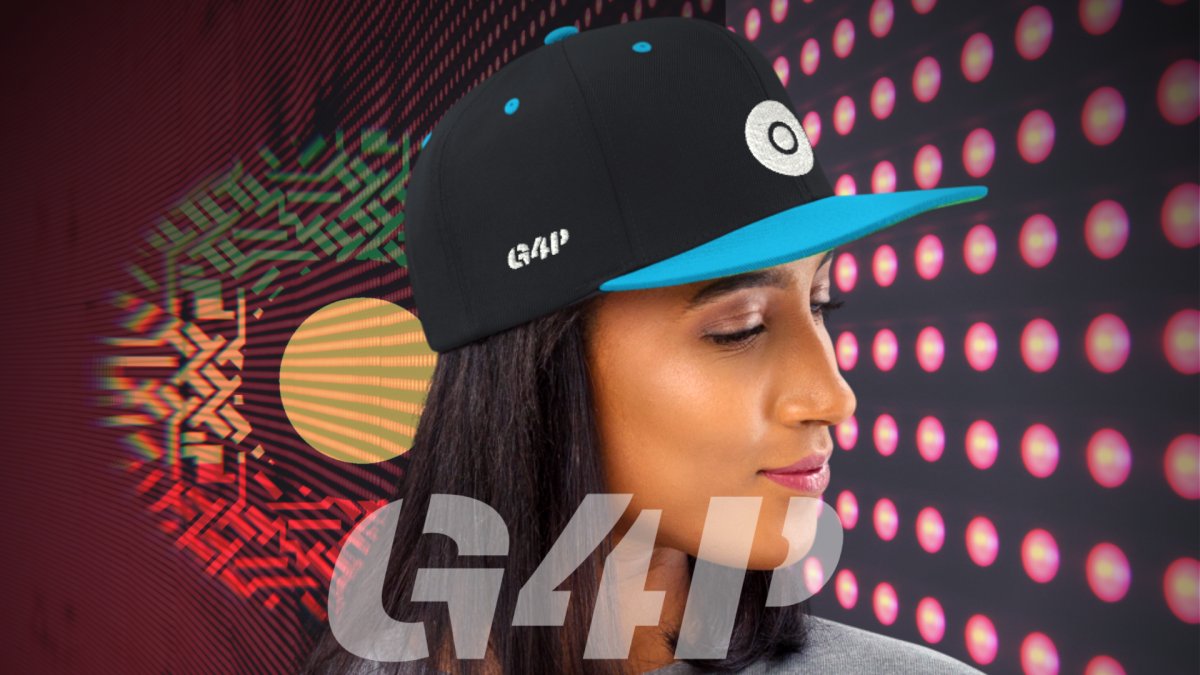
Most rain jackets are built for one job: keeping water out. Style rarely enters the design brief, which is why unique windbreakers for rainy days have become a category of their own, and the space G4P was built for.
Performance gets measured; aesthetics rarely does.
Quick Comparison: 7 Unique Windbreakers for Rainy Days
Here's the short version before the detail. Prices are the brands' own listed retail figures for 2026.
| Jacket | Listed Price | Waterproofing | Best For |
|---|---|---|---|
| G4P Geometric Windbreaker | See site | Water-repellent shell | Style-first urban commuting |
| Patagonia Torrentshell 3L | £170 | 3-layer H2No, fully seam-sealed | Everyday wet-weather reliability |
| Arc'teryx Squamish Hoody | £160 | DWR finish, windproof | Wind protection, light rain |
| Outdoor Research Helium | £150 | Pertex Shield, taped seams | Packable emergency cover |
| Rab Phantom | £220 | Pertex Shield 2.5-layer | Fast mountain use |
| Mountain Hardwear Stretch Ozonic | £200 | Dry.Q Active stretch | Climbing and scrambling |
| Montbell Versalite | £210 | GORE-TEX INFINIUM WINDSTOPPER | Long-distance trekking |
1. G4P Geometric Windbreaker: Wearable Art for Wet Commutes
G4P's windbreaker is the one jacket here designed print-first. Its exclusive geometrical design prints turn a functional layer into the focal point of an outfit, precisely what most rainwear avoids.
Pros and Cons
Pros: Exclusive geometric prints you won't see on the high street; doubles as a standalone style piece; gender-neutral cuts suit many outfits.
Pricing
G4P has not published pricing for this piece. Check the G4P site for current prices and available prints.
2. Patagonia Torrentshell 3L: The Tested All-Rounder
The 3-layer H2No Performance Standard shell is backed by a two-way adjustable hood with a laminated visor and a microfleece-lined neck, and self-stuffs into its own handwarmer pocket.
Pros and Cons
Pros: Exceptional waterproof durability; Fair Trade Certified sewn; genuinely repairable through Patagonia's repair programme.
Pricing
Listed at £170.
3. Arc'teryx Squamish Hoody: Ultralight Wind Protection
Call this one what it is: a windbreaker, not a rain jacket. The Tyono 30 nylon blocks wind and carries a DWR finish for light showers, but won't keep you dry in sustained rain.
Pros and Cons
Pros: Extremely lightweight; excellent breathability; packs into its own chest pocket.
Pricing
Listed at £160.
4. Outdoor Research Helium: Packable Emergency Shell
The Pertex Shield Diamond Fuse fabric is fully seam-taped, with water-resistant zippers and an adjustable hood and hem.
Pros and Cons
Pros: Very compact for storage; high strength-to-weight ratio.
Cons: Lacks pit zips for ventilation.
Pricing
Listed at £150.
5. Rab Phantom: Minimalist Mountain Tech
Rab's Phantom is a Pertex Shield 2.5-layer shell built for moving fast in bad weather: fully taped seams, elasticated hood and cuffs, and reflective detailing for visibility after dark.
Pros and Cons
Pros: Incredibly lightweight; highly packable.
Cons: Minimalist feature set.
Pricing
Listed at £220.
6. Mountain Hardwear Stretch Ozonic: Mobility Meets Rain Protection
Stretch is the whole point: the Dry.Q Active 4-way stretch fabric moves with you, which matters if you're climbing, scrambling, or cycling rather than walking.
Pros and Cons
Pros: Superior range of motion; soft, quiet fabric.
Cons: Less durable than heavier shells.
Pricing
Listed at £200.
7. Montbell Versalite: Long-Distance Trekking Pick
For multi-day routes where every gram counts, the Versalite balances weight against genuine weather protection: GORE-TEX INFINIUM WINDSTOPPER fabric blocks wind hard, pit zips dump heat on climbs, and water-repellent zippers round out the package.
Pros and Cons
Pros: Excellent wind protection; includes pit zips.
Cons: Requires careful handling due to thin fabric.
Pricing
Listed at £210.
How to Style a Windbreaker for Everyday Wear
Styling a windbreaker for daily wear comes down to one rule: let the jacket carry the outfit and keep everything else quiet. A bold print over neutral basics reads intentional; over three other bold pieces, it reads like an accident.
Three combinations that work:
- Geometric shell over all black. Black trousers, black tee, black trainers. The jacket becomes the entire visual statement.
- Technical shell over tailoring. A slim waterproof layer over a fine-knit jumper and chinos bridges the office and the walk home.
- Windbreaker as a mid-layer. Wear a printed shell under an open trench coat so the pattern shows at the collar and hem.
How to Express Personal Style Through Outerwear
Outerwear is the most visible thing you wear in public. On a wet commute it's the only layer most people see, making it the highest-use piece in your wardrobe for expressing personal style.
Choosing Between Waterproof and Water-Resistant
The two terms are not marketing synonyms, and the gap decides whether you stay dry on a forty-minute commute or arrive damp.
-
Under 1,500 mm, shower-resistant at best; fine for drizzle, not for a wet commute.
-
1,500-5,000 mm, light rain and short exposure.
-
5,000-10,000 mm, genuine everyday rain protection.
-
10,000 mm and above, sustained rain, and the range most technical shells sit in.
-
PTFE-based membranes (the GORE-TEX family), very high waterproofness and breathability, typically the priciest.
-
Polyurethane and polyester membranes (Pertex Shield, Dry.Q, H2No), strong performance at lower cost, often lighter and softer.
-
Coated 2.5-layer fabrics, a membrane with a protective print on the inside instead of a lining; light and packable, but less durable against abrasion.
Fit, Sizing, and Repairs: What Most Guides Skip
Fit changes how a jacket performs, not just how it looks. Too tight restricts layering and traps sweat; too loose flaps and lets rain in at the cuffs. Here's what actually matters.
Cut and body type
Two cuts dominate the market, and they behave differently in rain:
- Athletic or trim cuts sit close to the body, reducing flapping and keeping fabric taut against wind. The trade-off is less room for a mid-layer, and tight shoulders mean raising your arms lifts the hem and exposes your waist.
- Relaxed or boxy cuts allow layering and airflow, but in strong wind a loose hem can balloon and let rain creep up underneath. A drawcord hem fixes this, use it.
Three checks before you buy
- Layer test. Put on the mid-layer you'd actually wear underneath, a fleece, a fine-knit jumper, a hoodie. You should be able to raise both arms overhead without the jacket pulling tight across the back or riding up at the hem.
- Sleeve reach. Extend your arms straight out. The cuff should still cover your wrist. If it rides up to mid-forearm, rain will run down your sleeve and into the jacket.
- Hood test. Put the hood up and turn your head left and right. A good hood moves with your head rather than staying fixed and pulling the collar into your throat. Look for a rear adjustment cord and a laminated or wired visor.
Urban commuting specifics
If you cycle or walk to work, two features matter more than on a trail:
- Visibility. Reflective detailing on the back, sleeves, or hem makes a real difference in low light and rain, when drivers' visibility is already reduced. A dark shell with no reflective elements is a poor winter-commute choice.
- Pocket placement. A chest or sleeve pocket sized for a phone keeps it accessible without unzipping the main front. Handwarmer pockets under a backpack strap or hip belt are effectively unusable when carrying a bag.
Repair and longevity
Repairs beat replacements, for cost and for waste. A well-maintained shell can last many seasons.
- Re-taping seams. Taped seams can lift over time. Repair tape applied with a warm iron (per the manufacturer's instructions) restores the seal on small sections.
- Patching tears. Small tears in ripstop fabric can be patched with adhesive repair patches or seam grip. Clean and dry the area first, and round the patch corners to stop peeling.
- Fixing a sticky zip. A catching zip is usually dirty rather than broken. Clean the teeth with a soft brush, then apply zip lubricant or silicone grease. Never force a jammed zip, you'll strip the teeth.
- Restoring DWR. When water stops beading and fabric wets out, wash with a technical cleaner, then apply a spray-on or wash-in reproofer. Tumble dry on low if the care label allows; heat reactivates many DWR finishes.
Frequently Asked Questions
Are windbreakers suitable for wearing in rain?
It depends on the windbreaker. Standard windbreakers resist wind but not sustained rain. Look for a hydrostatic head rating of at least 5,000mm, fully taped seams and a durable water repellent finish. The Arc'teryx Squamish Hoody handles light showers but not heavy rain, while the Rab Phantom and Patagonia Torrentshell 3L are built for wet conditions. If you want a unique windbreaker that copes with rainy days, check the waterproof rating before you buy.
How do I choose a windbreaker that is both waterproof and breathable?
Check the fabric technology and ventilation features. A breathable membrane such as Pertex Shield or GORE-TEX INFINIUM moves moisture vapour away from your body. Pit zips add extra airflow during high-output activity. The Montbell Versalite includes pit zips and windproof protection, while the Mountain Hardwear Stretch Ozonic uses underarm vents. For commuting, a 2.5-layer or 3-layer shell with taped seams balances waterproofing and breathability without bulk.
How can I incorporate bold prints into my rainy day wardrobe?
Start with one statement piece and keep everything else neutral. A geometric-print windbreaker over plain black trousers and a white tee lets the pattern lead without clashing. If you work in a corporate environment, wear the printed shell over a plain shirt and dark chinos, then remove it indoors. G4P's range of abstract and geometric designs makes this easy because the prints are the focal point, not the whole outfit.
Will the prints on a geometric windbreaker fade or crack after washing?
Print durability depends on the method and care. Screen-printed or dye-sublimated designs on quality fabrics hold up better than cheap heat transfers. Wash inside out on a cold cycle, avoid fabric softener and air dry rather than tumble drying. G4P uses durable printing methods on its geometric designs, but following the care label extends the life of any printed windbreaker. Proper washing keeps colours sharp and prevents cracking.
What features should I look for in a high-quality windbreaker for rainy days?
Prioritise taped seams, an adjustable hood, a storm flap over the zip and a DWR finish. A hydrostatic head of 5,000mm or more handles steady rain. Breathability matters too, so check for pit zips or a breathable membrane. The Outdoor Research Helium has fully seam-taped construction and water-resistant zippers. Match the feature set to how you'll use it most.
Wet weather doesn't have to mean defaulting to a plain grey shell. The jacket you reach for on a rainy morning is the one people see most, so it's worth choosing one that says something. G4P builds windbreakers around exclusive geometric prints, with a range of lifestyle pieces that carry the same design language across everyday items. Browse the current G4P collection and find a print that makes the rain worth dressing for.