 How-to
What Makes a Graphic Hoodie Worth Buying?
Last Updated: November 13, 2026
Quick Summary
Check the fabric weight in GSM first, since 350-450 GSM gives a structured, boxy drape that suits streetwear, while anything under 280 GSM can distort under a large print. Then read the composition label and inspect seams, cuffs and print finish before buying a graphic hoodie.
- 280-350 GSM is the everyday middle ground for most sweatshirts and pullovers.
- Pure cotton feels softer against skin and takes print well, while blends resist shrinking.
- Measure a hoodie you already own flat and compare chest, body and sleeve length to the listing.
- Wash a graphic hoodie inside out in cold water and never tumble dry it.
- Divide the purchase price by expected wears to calculate cost per wear.
Table of Contents
- Start With Fabric Weight and GSM
- The Best Fabric for Hoodies: Cotton, Blends and Composition
- Screen Print vs Direct-to-Garment Hoodie Printing
- Graphic Hoodie Fit Guide: Oversized, Boxy and True to Size
- Construction Checks: Stitching, Seams and Hardware
- How to Wash a Graphic Hoodie Without Ruining the Print
- Value Beyond the Price Tag: What You Actually Pay For
- Choosing Your Graphic Hoodie From the G4P Selection
- Frequently Asked Questions
Start With Fabric Weight and GSM
The fastest way to judge a graphic hoodie is to check its fabric weight. GSM, or grams per square metre, tells you how dense the cloth is, and density decides how a hoodie drapes, how warm it feels and how well it holds a printed design.
Here is the practical range:
- Under 280 GSM: light and breathable, better for layering in warmer months, but thin fabric can distort under a large print.
- 280-350 GSM: the everyday middle ground for most sweatshirts and pullovers.
- 350-450 GSM: heavyweight fabric with a structured, boxy drape that suits streetwear silhouettes.
- Above 450 GSM: dense and stiff, warm but slow to dry and often too bulky for indoor wear.
Heavier is not automatically better. A 400 GSM hoodie in a heated office feels like a coat. Match weight to climate and layering habits, then check the print.
Fortune Business Insights forecast for the hoodies and sweatshirts market puts global growth from $256.08 billion in 2026 to $442.64 billion by 2034, which means more choice and more misleading listings. Knowing your GSM number is your first filter.
The Best Fabric for Hoodies: Cotton, Blends and Composition
Pure cotton feels softer against skin and takes print well. Blends resist shrinking and hold their shape through repeated washing.
Read the composition label before anything else:
- 100% cotton: breathable, softens with washing, can shrink on a hot cycle.
- Cotton-polyester blend: cheaper, more stable, slightly less breathable.
- Cotton with a little elastane: better recovery at cuffs and hem.
- High polyester: smooth and cheap, but it traps heat and often pills.
A study recorded on ResearchGate on hoodie consumer choice and symbolic meaning links hoodie selection to comfort factors such as warmth and breathability, which backs what most buyers discover: composition drives how a hoodie feels after an hour, not just in the shop.
Screen Print vs Direct-to-Garment Hoodie Printing
Printing methods differ in how they handle detail, colour and wear over time.
If you want to know how a specific print method holds up over months of wear, our guide on whether abstract print hoodies are durable covers the wear patterns in detail.
Graphic Hoodie Fit Guide: Oversized, Boxy and True to Size
Fit is where most online purchases go wrong. A graphic hoodie fit guide starts with three questions: what silhouette do you want, what measurements does the listing give, and how does that compare with a hoodie you already own?
Oversized fit drops the shoulder seam and adds width through the body. Boxy fit keeps the body wide and short, with a straight hem. True to size follows standard garment measurements and sits close to the body without clinging.
Ignore the size label and use the numbers. Measure a hoodie you like flat: chest width, body length, sleeve length. Compare those to the listing's garment measurements, not the model's height. A size information table with real measurements is a stronger quality signal than any product photo.
Construction Checks: Stitching, Seams and Hardware
Turn the hoodie inside out. Construction quality shows up in the seams long before it shows on the outside. Most buyers judge a graphic hoodie by its print, but the print is the first thing to fail when the seams underneath are weak. Use this inspection sequence before you buy.
1. Shoulder seams. Look for double-stitched or taped shoulder seams. A single row of stitching on a heavyweight hoodie is a warning sign: the seam takes the weight of the garment and will pull open first. Run your thumb along the seam; it should feel flat and even, with no puckering.
2. Side seams and overlocking. Clean overlocked edges inside the body prevent fraying. Loose threads, skipped stitches or raw edges that are not enclosed predict early failure. Check the armpit area, where friction is highest.
3. Hem and cuffs. Ribbed cuffs and hem should snap back when stretched, not stay loose. A common pattern is a cuff that feels tight in the shop and bags out after a month because the elastane content is too low. Look for a rib that contains some elastane or a dense cotton rib rather than a thin, single-layer band.
4. Drawstring and hardware. The drawstring should be thick, with metal or moulded tips that will not fray. Check that the eyelets are set into a reinforced panel; a drawstring pulling through bare fabric is a common failure point. Metal tips should be crimped securely, not glued.
5. Hood construction. A double-layer hood holds shape; a single layer flops. Check whether the hood has a lining or a second layer of fabric, and whether the seam where the hood meets the neck is reinforced.
6. Print finish. Run a fingernail lightly across the print. Screen print sits on top and should feel slightly raised and even; DTG soaks in and should feel soft with no stiff patch. Look for cracking at the edges of the design, uneven ink coverage, or a print that extends over a seam without a break.
7. Inside seams and lining. Loose threads and skipped stitches inside the body predict early failure. If the hoodie has a brushed fleece lining, check that it is evenly brushed and not patchy, which indicates inconsistent fabric quality.
Watch out: a common mistake is judging a graphic hoodie by its print alone. A vivid print on a weak seam will outlast neither. Our breakdown of geometric print hoodie durability looks at how build quality affects how long a printed design survives.
How to Wash a Graphic Hoodie Without Ruining the Print
Wash a graphic hoodie inside out, in cold water, on a gentle cycle, and never tumble dry it. Heat is what causes fading and cracking, not water. Turn the garment inside out to protect the print from friction, use a mild detergent, and skip fabric softener, which coats the fibres and dulls the ink.
For drying, hang flat or line dry away from direct sun. If you must use a dryer, choose the lowest heat setting and remove the hoodie while it is still slightly damp.
Watch out: washing a printed hoodie with heavy denim or items with zips abrades the design and speeds up cracking. Wash it with soft items or on its own.
For the full step-by-step method, including how to treat a print that has already started to crack, see our guide on how to wash printed hoodies without ruining the design.
Value Beyond the Price Tag: What You Actually Pay For
A cheap graphic hoodie and a well-made one can look identical on a hanger, and the difference often shows up with wear. Total value means cost per wear, not sticker price, and the arithmetic is simple once you have the numbers.
Compare two hoodies this way:
| Factor | Budget hoodie | Quality hoodie |
|---|---|---|
| Fabric weight | 240-280 GSM | 350-450 GSM |
| Composition | High polyester blend | High cotton with elastane |
| Print method | Thin DTG on low-grade blank | Screen print or quality DTG |
| Expected lifespan | 6-12 months of regular wear | 2-4 years of regular wear |
| Cost per wear | Higher over time | Lower over time |
To calculate cost per wear, divide the purchase price by the number of wears you expect. A hoodie worn twice a week for a year is roughly 100 wears. The quality hoodie costs more upfront and less per wear, but only if you actually wear it that often.
Three factors change the calculation:
-
Return policy. Check whether returns are free and how long you have; a hoodie you cannot return is a hoodie you are stuck with.
-
Repairability. A hoodie with a replaceable drawstring, reinforced seams and a print that can be re-ironed or touched up lasts longer than one designed to be thrown away.
A common pattern is to compare only the sticker price and ignore the cost of replacing a hoodie every year. If you want the deeper argument for why premium construction pays off, read why premium hoodies are worth it.
Choosing Your Graphic Hoodie From the G4P Selection
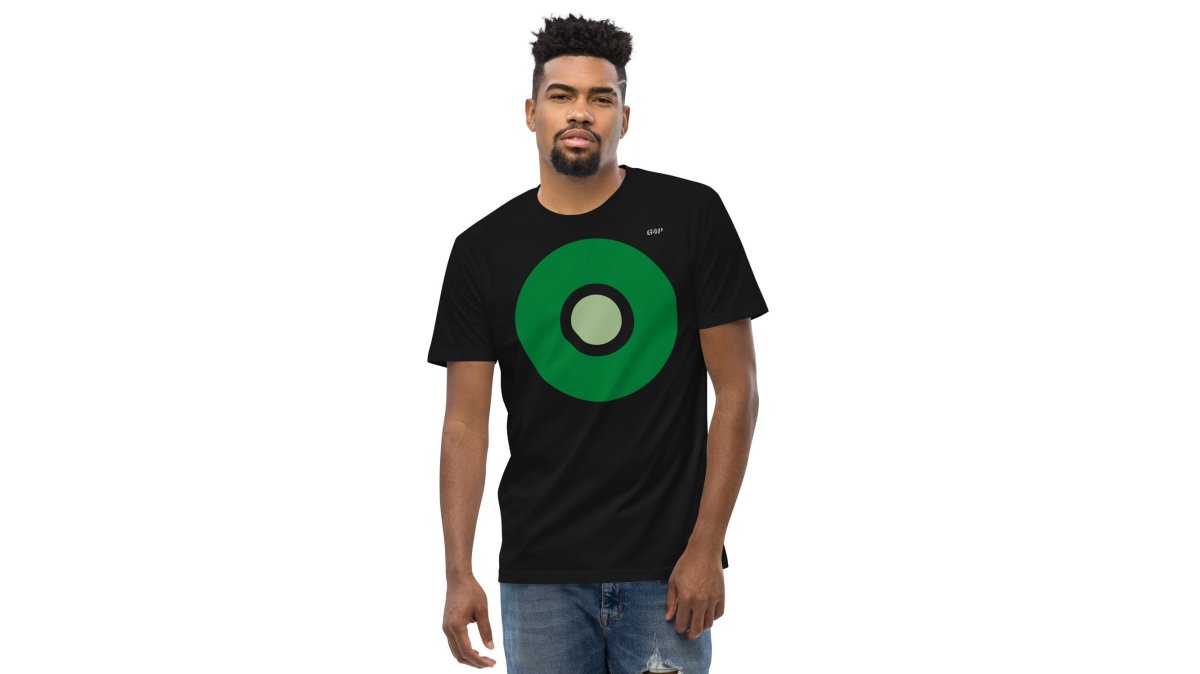
At G4P, our hoodies feature exclusive geometrical design prints.
If bold abstract patterns feel like a stretch from your usual solid colours, start with a neutral base colour and let the geometric design carry the outfit. Pair it with denim or cargos and it works on a casual weekend; layer it under a jacket and it holds its own.
Our range also includes stainless steel water bottles and tech cases.
Our unique graphic hoodies for men collection is the place to start if you want picks that stand out without shouting.
The real test of a graphic hoodie is not how it looks on day one but how it looks after twenty washes. G4P builds around that idea, with exclusive geometric prints, heavyweight cotton construction and finishing details that hold their shape. Browse the G4P Selection to find a hoodie that earns its place in your rotation, then check the garment measurements before you order.
Frequently Asked Questions
What makes a graphic hoodie high quality?
Three things decide it: fabric, print and construction. Look for a heavyweight cotton or cotton-rich blend with a stated GSM, usually 300 to 400 for a substantial feel. Check that the print is bonded into the fabric rather than sitting on top of it, and that seams, ribbed cuffs and the hem are tightly stitched.
Are heavyweight hoodies better quality?
Not automatically. A heavier fabric holds its shape and drapes better, and it usually hides print texture, but it also traps heat. For everyday wear in a mild climate, a lighter weight is often more comfortable than a heavy fleece. Judge quality by how the weight suits your use, plus the cotton quality and stitching, rather than assuming heavier always means better.
How do you stop a graphic hoodie print from cracking or fading?
Wash it inside out on a cold, gentle cycle and skip the tumble dryer, since heat is what breaks down most prints. Use a mild detergent without bleach or fabric softener, and never iron directly over the design. Turning the garment inside out protects the print from friction against other items.
How should a graphic hoodie fit?
Measure a hoodie you already like, flat, from armpit to armpit and from shoulder to hem, then compare those numbers with the garment measurements on the product page rather than relying on size labels. An oversized or boxy fit should drop at the shoulder without the body ballooning. Check the ribbed hem and cuffs still sit close, otherwise the hoodie will look shapeless rather than deliberately relaxed.