 How-to
How to Identify High Quality Prints: A Practical Guide
Table of Contents
- Why Print Quality Matters More Than Ever
- High-Quality Art Print Characteristics to Look For
- How to Check Print Resolution Before You Buy
- Screen Printing vs Digital Printing: What It Means for Quality
- Inspecting a Print in Person: A Practical Checklist
- Reproduction or Original? How to Tell the Difference
- How to Care for Printed Clothing So It Lasts
- Frequently Asked Questions
Last Updated: October 18, 2026
Why Print Quality Matters More Than Ever
Most people judge a print by its design, but the materials decide whether it still looks good after a year.
A print is only as good as three things working together: the image file, the ink, and the surface it sits on.
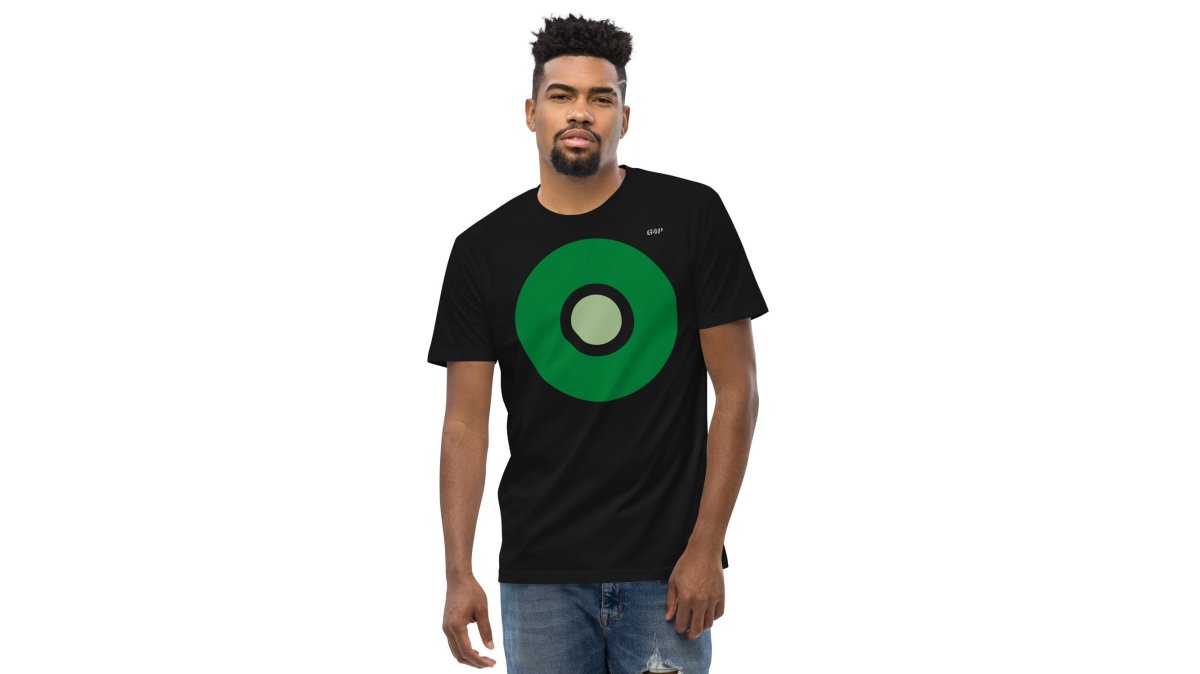
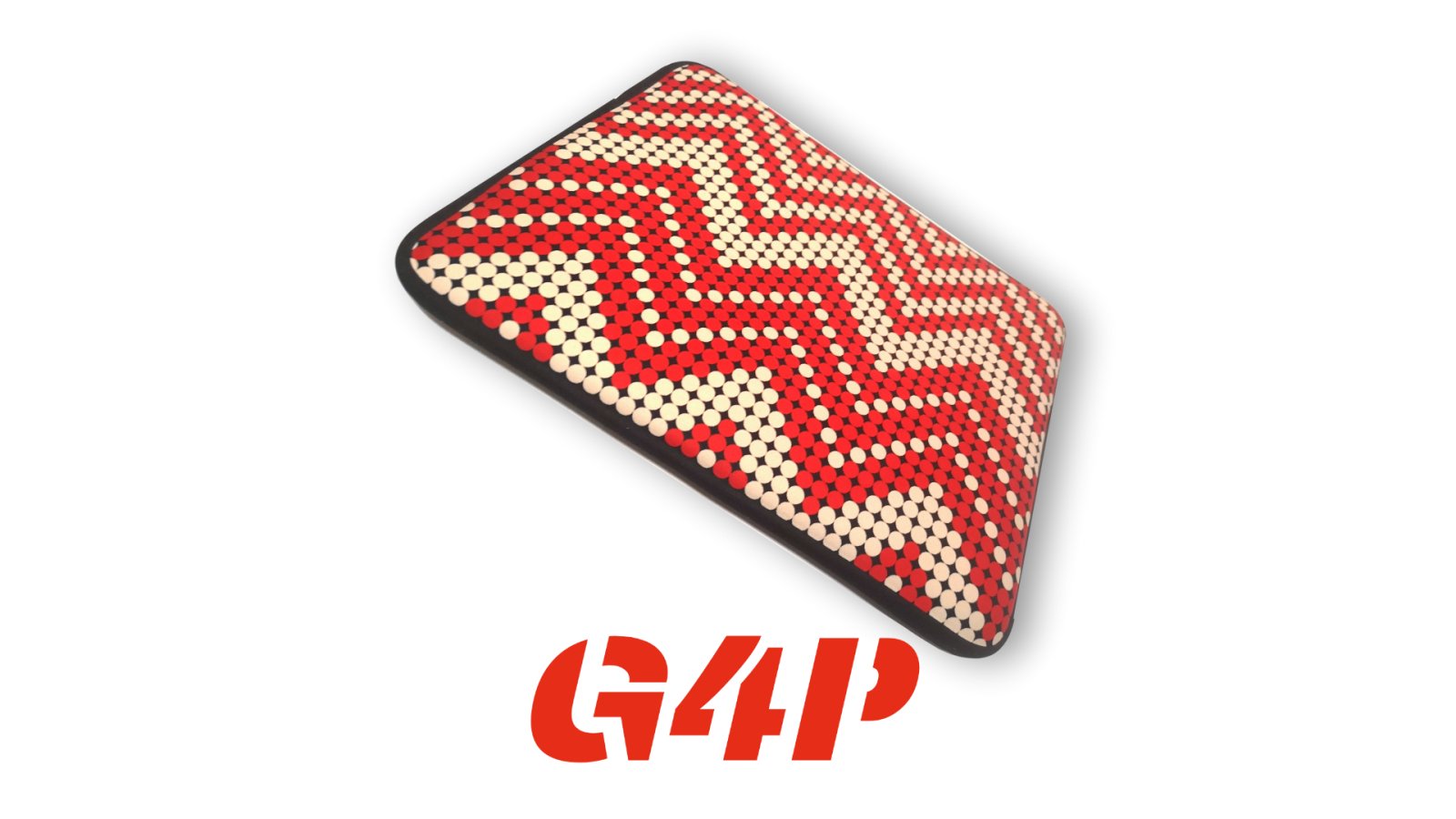
A bold geometric pattern printed at low resolution on thin fabric will crack within months; printed properly, it can last for years.
High-Quality Art Print Characteristics to Look For
High-quality art print characteristics come down to four visible things: sharp edges, smooth colour transitions, even ink coverage, and a surface that suits the ink. But visible sharpness is only half the story, the other half is longevity.
Poor quality rarely announces itself. It looks slightly soft, slightly dull, and the flaws appear over time as fading, yellowing, and cracking.
Look for these visible signs:
- Crisp edges. Lines should be clean, not fuzzy or jagged. Hold the print at arm's length and then close up; a good print survives both distances.
- Smooth gradients. Colour should blend without visible banding or stepping.
- Even coverage. No patchy areas, thin spots, or mottling in solid blocks of colour.
Making Archival Quality Measurable
"Archival" is one of the most abused words in print retail. It has no single legal definition in the UK, so treat it as a claim to verify. A print that genuinely deserves the label will usually satisfy four criteria you can ask about directly:
- Paper permanence. Look for paper described as acid-free, lignin-free, or buffered. Cheaper wood-pulp papers contain lignin, which turns yellow and brittle as it oxidises. Cotton rag and alpha-cellulose papers are the usual fine-art choices.
- Ink type. Pigment inks generally outlast dye-based inks under light exposure. Ask whether the ink is pigment or dye; a seller who cannot say is a seller to be cautious about.
- Lightfastness rating. Good suppliers can quote a lightfastness rating, often expressed in years under specific display conditions (for example, framed behind UV-filtering glass versus unframed in daylight). Treat any single "lasts 100 years" figure with suspicion unless the display conditions are stated.
- Storage and framing. Even an archival print degrades if framed against acidic mount board or hung in a humid room. Conservation-grade mount board and UV-filtering glazing are part of the quality chain, not an optional extra.
A practical rule: if a seller markets a print as archival but cannot tell you the paper, the ink type, and the framing recommendation, the claim is marketing rather than specification.
Paper Type, Weight, and Surface Finish
Paper weight and surface finish decide how a print feels and how long it lasts. Heavier stock holds detail better; surface finish controls how light bounces off the ink.
A quick reference:
| Paper Type | Typical Weight | Best For | Watch Out For |
|---|---|---|---|
| Standard poster paper | Light | Cheap display prints | Tears easily, fades fast, often acidic |
| Matte coated | Medium | Art prints, photos | Can scuff when handled |
| Glossy coated | Medium | Vivid colour, photos | Shows fingerprints and glare |
| Archival cotton rag | Heavy | Fine-art reproductions | Costs more; needs careful framing |
| Canvas | Varies | Large wall pieces | Texture softens fine detail; can sag |
Matte finishes suit bold geometric work because they avoid glare. Glossy finishes make colours pop but reflect light and show every smudge. Neither is better.
For clothing, the equivalent question is fabric weight and weave.
Ink Type and Lightfastness
Lightfastness is the measure of how well a print resists fading when exposed to light. Pigment inks generally hold up better than dye-based inks. This matters most for anything that will sit in daylight.
Three things speed up fading:
- Direct sunlight and UV exposure
- Heat and humidity swings
- Poor framing that traps light and moisture against the surface
If you are buying a fine-art print, ask what ink was used and how it should be framed. A seller who can answer both understands the product.
How to Check Print Resolution Before You Buy
Checking print resolution means comparing the image's pixel dimensions against the physical print size, so enough pixels are packed into each inch that the eye cannot see them.
The rule of thumb is 300 DPI for prints viewed up close; larger wall pieces viewed from a distance can go lower.
Do the maths before you buy:
- Ask for the pixel dimensions of the image file.
- Divide width in pixels by the print width in inches.
- Divide height in pixels by the print height in inches.
A file that looks sharp on a phone screen can still be too small for a large print. Screens are forgiving. Paper is not.
A Simple Resolution-to-Print-Size Reference
Use this table to judge whether a file is big enough. It assumes a 300 DPI target for close viewing and 150 DPI for wall pieces seen from a distance.
| Print Size | Minimum Pixels (close view, 300 DPI) | Acceptable Pixels (distance view, 150 DPI) |
|---|---|---|
| A4 | 2480 x 3508 | 1240 x 1754 |
| A3 | 3508 x 4961 | 1754 x 2480 |
| A2 | 4961 x 7016 | 2480 x 3508 |
| 40 x 50 cm | 4724 x 5906 | 2362 x 2953 |
| 50 x 70 cm | 5906 x 8268 | 2953 x 4134 |
If a seller only offers a small file, the print will be soft at large sizes. There is no fix for that after the fact.
Screen Printing vs Digital Printing: What It Means for Quality
Screen printing pushes thick ink through a mesh stencil; digital printing lays ink down directly from a file. Each suits different jobs.
Here is how they compare:
| Factor | Screen Printing | Digital Printing |
|---|---|---|
| Best for | Bold designs, bulk runs | Detailed art, small runs |
| Colour depth | Thick, opaque ink | Smooth gradients |
| Setup cost | Higher per design | Lower |
| Detail limit | Struggles with fine gradients | Handles fine detail well |
| Feel on fabric | Sits on top of the cloth | Often softer |
For bold geometric patterns on clothing, screen printing gives deep, solid colour that holds up well. For fine-art reproductions with subtle gradients, digital printing, including giclée, wins.
Neither method is automatically "better." Match the method to the design and the material.
Inspecting a Print in Person: A Practical Checklist
Inspecting a print in person means checking it under good light, at an angle, and up close for softness, banding, patchy ink, and physical damage.
Work through it in order:
- Hold the print near a window. Check for even ink coverage.
- Tilt it to catch the light. Look for scuffs, scratches, or roller marks.
- Examine edges and corners for dents or creases.
If a print fails two or more of these, return it. Most defects are visible within a minute of proper inspection.
Reproduction or Original? How to Tell the Difference
A reproduction is a copy of an existing artwork, usually printed from a scanned or photographed file. An original print is made directly from a physical printmaking process, an etching, lithograph, screen print, or woodcut, often in a limited edition. The two can look similar on a wall and differ enormously in value.
Know the Printmaking Methods First
The physical evidence only makes sense if you know how each method leaves its mark:
- Etching and drypoint. A metal plate is incised and printed under pressure. The paper is pushed into the plate, leaving a plate mark, a faint embossed rectangle around the image. Ink sits in the incised lines, so you often see a slight raised texture where the ink sits.
- Lithography. Image is drawn or transferred onto a stone or plate and printed flat. Edges are soft, and the surface is usually smooth with no plate mark.
- Screen printing (screenprint or serigraph). Ink is pushed through a mesh stencil. Edges are crisp and the ink sits noticeably on top of the paper, sometimes with a slight relief you can feel with a fingertip.
The Signals That Separate Them
Telling them apart comes down to a few checks, best done together:
- Edition size and print number. Limited editions are usually numbered, for example 12 of 50. A number alone proves nothing, reproductions are numbered too, but it is a starting point.
- Signature. Originals are often signed and numbered in pencil by the artist. Pencil is traditional because it does not bleed through the paper; a printed signature reproduced within the image is a red flag.
- Surface texture. Etchings and lithographs show a physical plate mark or ink texture. A perfectly flat surface with a fine dot pattern under a loupe points to a digital reproduction.
None of these is proof on its own. A numbered reproduction can look convincing, and a genuine original can be unnumbered. Ask the seller directly what the print is, and get it in writing.
Resolving the Value Confusion
"Limited edition" is a marketing term unless the seller states the edition size and whether the image will be reprinted. Ask both questions, and whether the edition is signed and numbered by the artist or only by the publisher.
A useful hierarchy for judging what you are buying:
- Original printmaking (etching, lithograph, screen print), made by the artist or under their direction, usually signed and numbered. Highest intrinsic value.
- Giclée reproduction, a high-quality digital copy, often on archival paper with pigment inks. Attractive and durable, but a reproduction.
- Standard poster reproduction, mass-produced, often on lighter paper. Decorative rather than collectable.
If you are buying for decoration, a good giclée on archival paper is a sensible choice. If you are buying for collection or investment, insist on knowing the printmaking method, the edition size, and the artist's involvement, and be wary of any seller who cannot answer all three.
How to Care for Printed Clothing So It Lasts
Caring for printed clothing comes down to three rules: wash cool, turn inside out, and never tumble dry on high heat.
Follow these habits:
- Wash at 30°C or lower.
- Turn the garment inside out before washing.
- Use a gentle cycle with mild detergent.
A common mistake is washing prints with heavy items like jeans. The friction wears the print down faster. Wash printed pieces with similar light items.
For accessories like tech cases and stainless steel bottles, the rules are simpler.
Durable, reusable items last longer when you treat the print as part of the product, not a sticker on top of it.
Frequently Asked Questions
How can you tell if a print is high quality?
Start with the file and the materials. A high quality print has a resolution of at least 300 DPI at its final size, sharp edges with no pixelation, and smooth tonal transitions. On paper, look for even ink coverage, no banding or visible dots, and a surface that feels substantial rather than flimsy. Check that colours match what you expected and that fine details stay crisp. If buying clothing, inspect the print for cracking, uneven edges, or a stiff plastic feel, which often signals a cheaper heat-transfer method.
How do you check whether a print will fade or crack?
Ask what ink and method were used. Pigment inks on archival paper resist fading far better than dye-based inks, and lightfastness ratings give you a realistic lifespan. For clothing, screen printing with plastisol or water-based inks generally outlasts cheap heat transfers. Wash printed garments inside out in cold water and avoid tumble drying, which is the fastest way to crack a print. If a seller cannot tell you the ink type or printing method, treat that as a warning sign about how the print will age.
What is the difference between screen printing and digital printing?
Screen printing pushes ink through a mesh stencil, one colour at a time. It gives bold, opaque colour and excellent durability on fabric, which is why it suits hoodies and windbreakers. Digital printing, including giclée, prints directly from a digital file and handles fine detail and gradients better, making it the usual choice for art prints and photographic reproductions. Screen printing costs more to set up but is efficient on larger runs; digital printing is better for small batches and intricate designs.
How should you care for printed apparel to help it last?
Turn the garment inside out before washing and use a cold, gentle cycle. Avoid fabric softener and bleach, both of which break down inks and fibres. Skip the tumble dryer where you can, or use a low setting, because heat is the main cause of cracking. Hang or lay flat to dry, and iron on the reverse only, never directly on the print. Following these steps keeps colours richer and the print surface intact for far longer than a standard wash-and-tumble routine.
Print quality is not luck. It is a set of checks anyone can run: file size, ink type, surface finish, and a careful inspection on arrival.
At G4P, we build our geometric designs around durable materials and sharp, high quality prints, from windbreakers and hoodies to stainless steel bottles and tech cases. Every piece is made to be worn and used, not just admired.
Browse the G4P Selection and check the prints for yourself.