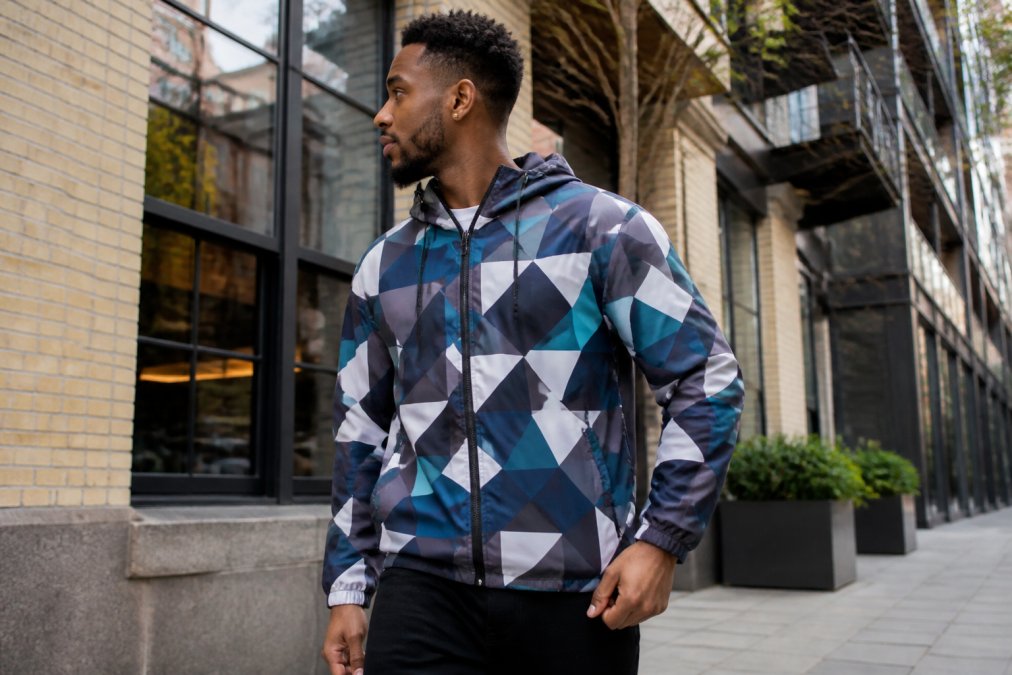
 How-to
How to Wear Geometric Patterns: 2026 Styling Guide
Table of Contents
- Start with Monochrome Geometric Prints
- How to Mix Patterns in Outfits Without Looking Chaotic
- Scale and Proportion: Choosing the Right Size Pattern for Your Frame
- How to Accessorise with Geometric Designs
- Best Geometric Pattern Apparel Brands 2026: What to Look For
- Geometric Patterns for Work vs. Weekend
- Conclusion: Build Your Geometric Wardrobe with Confidence
- Frequently Asked Questions
Last Updated: September 11, 2026
Start with Monochrome Geometric Prints
The fastest way to wear geometric patterns without feeling like you've dressed up as a rug is to start in one colour. According to Printful's 2026 design trend analysis, large, basic shapes such as squares and triangles are the defining graphic element for the year, and they read best when the palette stays tight. A black-and-white chevron blouse or a single-tone lattice scarf gives you the geometry without the noise.
Monochrome keeps the pattern bold, so the shape does the talking, and removes the risk of clashing colours while you build confidence. For a first patterned piece, pick one motif, one colour family, and wear it against neutral staples like plain black trousers or a grey knit.
Once that feels normal, add a second tone. But not before.
How to Mix Patterns in Outfits Without Looking Chaotic
Mixing prints works when one pattern clearly leads and the others support it. The rule is contrast in scale, not volume: pair a large geometric motif with a fine pinstripe or small dot, and keep both pieces in the same colour family.
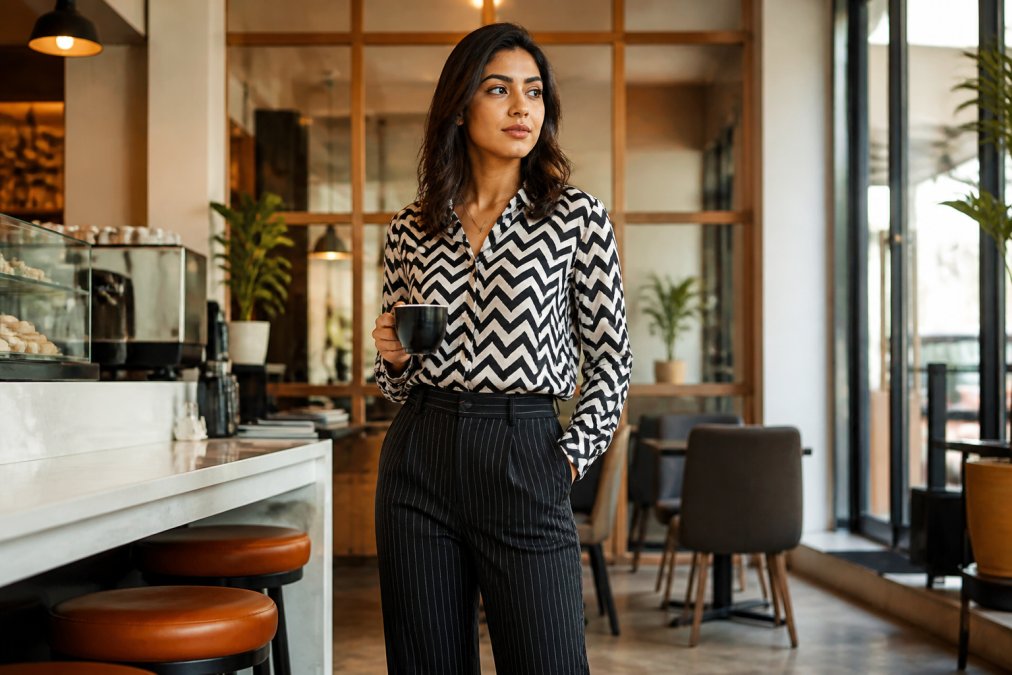
Pattern mixing fails when two designs of similar scale and density fight each other, leaving your eye nowhere to rest. Fix it by making the second pattern noticeably smaller or quieter.
Know Your Geometric Shapes Before You Mix Them
Most guides say mix 'geometric with geometric' without noting that the category contains very different visual weights. Before combining anything, identify what you are holding:
| Shape family | What it looks like | Visual weight | Pairs well with |
|---|---|---|---|
| Chevron / zigzag | Repeated V-shaped bands | High, strong directional pull | Fine stripes, small dots, plain knitwear |
| Lattice / trellis | Interlocking diamond or criss-cross grid | Medium, reads as texture from a distance | Larger florals, tonal checks |
| Tessellation | Shapes tiled edge-to-edge with no gaps | High, dense, all-over coverage | Solid blocks, single-colour accessories |
| Houndstooth / puppytooth | Broken-check woven motif | Medium to high, classic, structured | Plain wool, denim, leather |
| Polka and pin-dot | Evenly spaced circular repeats | Low, reads almost as a solid | Bold chevron, large-scale abstract |
| Greek key / meander | Continuous right-angled border line | Low to medium, works best as trim | Plain grounds, tonal palettes |
Two high-weight shapes together, chevron plus tessellation, almost always fight. A high-weight shape with a low-weight one, such as a tessellation skirt with a pin-dot blouse, gives the eye a clear hierarchy. That is the mechanism behind 'contrast in scale'.
The 3-3-3 Rule for Pattern Mixing
The 3-3-3 rule keeps pattern mixing simple: no more than three patterns, no more than three colours, and at least three solid or neutral pieces. A geometric wrap dress counts as one pattern; add a striped bag and that's two. Stop there, and let shoes, belt and jacket stay plain.
- Three patterns maximum per outfit
- Three colours maximum across all pieces
- Three solid or neutral elements to anchor the look
A 2026 styling guide from Plumager's Spring/Summer print forecast confirms geometric prints are central to the season, which means the risk isn't finding them. It's overloading them. The 3-3-3 rule is your brake.
Seasonal Adjustments to the Mix
Pattern mixing shifts across the year, the same chevron blouse behaves differently depending on what sits next to it:
- Spring and summer: pair geometric prints with lighter, matte fabrics such as cotton poplin or linen blends, and keep the second pattern fine, a pin-dot or narrow stripe. Heavy motifs next to sheer fabrics look unbalanced.
- Autumn and winter: geometric prints sit well against wool, tweed and heavier jersey. Layer a tessellation scarf over a plain cable knit, or wear houndstooth trousers with a chevron knit, since both pieces carry similar fabric weight.
- Transitional weeks: use a geometric accessory, scarf, belt, bag, as the bridge, carrying a summer print into autumn without committing the whole outfit.
Scale and Proportion: Choosing the Right Size Pattern for Your Frame
Pattern scale should match your frame, not the other way round. Large geometric motifs add visual weight and can overwhelm a petite silhouette, while small, delicate designs can disappear on a taller frame. The Concept Wardrobe (2026) notes smaller frames typically do better with finer patterns.
The practical version:
| Frame | Pattern Scale | Best Placement |
|---|---|---|
| Petite | Small to medium | Tops, scarves, accessories |
| Average | Medium to large | Dresses, trousers, blouses |
| Tall | Large and bold | Full-length pieces, wide-leg cuts |
Placement matters as much as size. A large tessellation print on palazzo pants draws the eye downward and lengthens the leg. The same print on a cropped jacket pulls attention to the shoulders. Research from Universiti Teknologi MARA on figure modification through textile pattern found that simple geometric patterns can visually refine body shape when applied with proportion in mind.
How to Accessorise with Geometric Designs
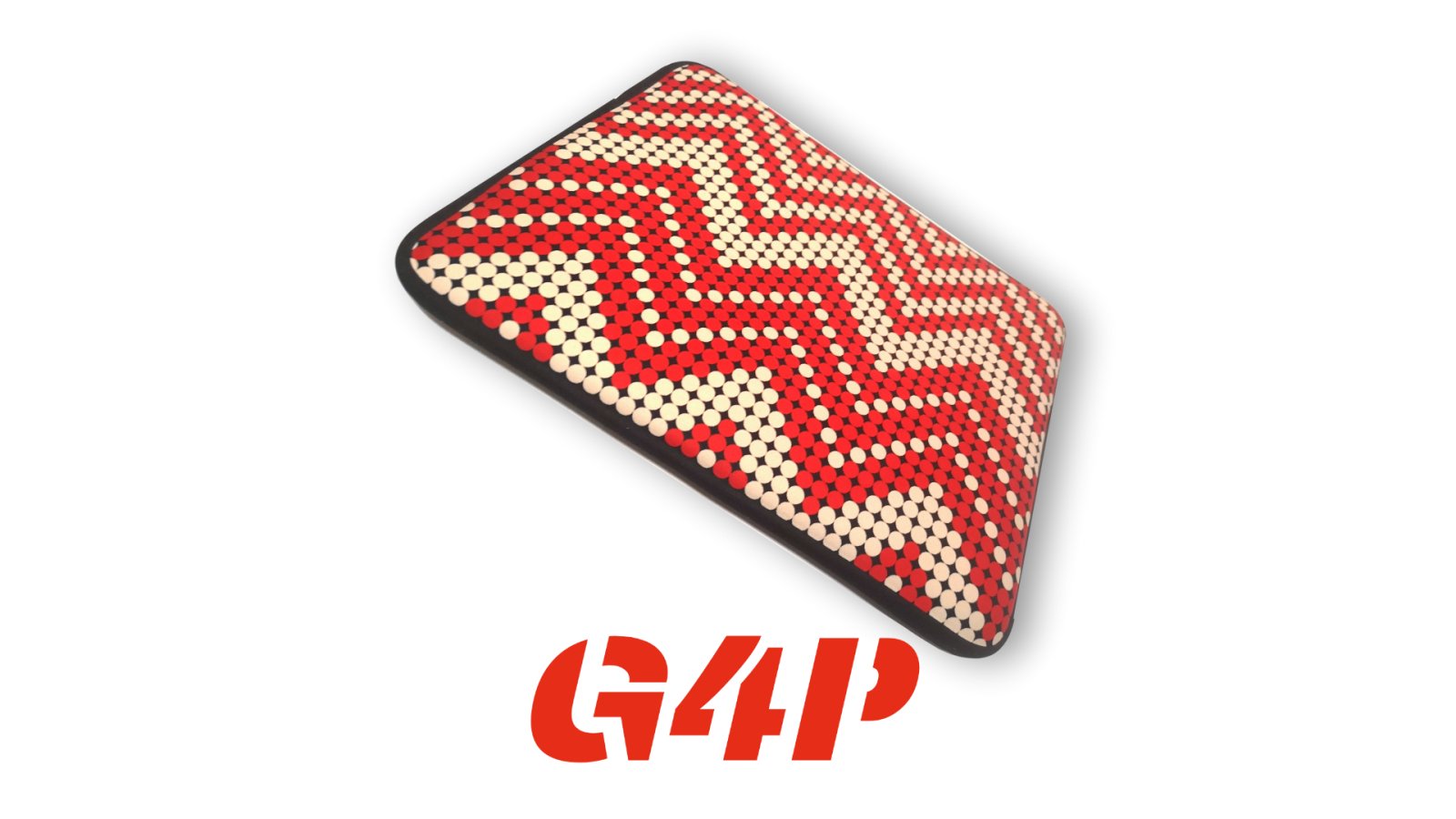
Accessories are where geometric patterns earn their keep, letting you test a motif without committing your whole outfit. A lattice-print scarf, chevron-print phone case, or stainless steel bottle in an abstract design delivers the same visual interest at a fraction of the risk.
Start with one accent piece and build from there. If you're pattern-shy, an accessory is the honest entry point: against a solid outfit, the geometry reads as deliberate rather than accidental.
The same logic applies to tech gear and everyday carry: a patterned case or bottle turns a functional object into part of the outfit, exactly the ground G4P designs for, bold geometry on items you use daily rather than admire from a shelf. styling nature-inspired prints.
Best Geometric Pattern Apparel Brands 2026: What to Look For
The best geometric pattern apparel in 2026 is judged on print durability, colour fastness, and whether the motif is actually original. Trend pieces that fade after five washes aren't a bargain at any price.
Print quality is the differentiator most shoppers miss. Cheap geometric prints are surface-printed and crack along fold lines within a season; better construction bonds the pattern into the fabric, so a chevron or tessellation keeps its edges after repeated washing. Ask how the print is applied before you ask about the design.
| What to Check | Why It Matters | Red Flag |
|---|---|---|
| Print method | Determines fade and crack resistance | Vague or evasive answers |
| Colour fastness | Keeps contrast sharp | "Dry clean only" on a t-shirt |
| Motif originality | Avoids mass-market repeats | Identical print everywhere |
| Fabric weight | Holds structure under bold prints | Thin, see-through cotton |
| Fibre content | Affects how the print ages and how the garment can be recycled | Unlabelled blends with no percentage breakdown |
Sustainable and Ethical Sourcing: The Question Most Guides Skip
Style guides rarely ask where a geometric print came from, but the pattern is only half the story, the cloth and ink carry the rest. If you care how a garment was made, these checks mean something in the UK market:
- Look for recognised certification marks. The Global Organic Textile Standard (GOTS) covers organic fibre content and processing; OEKO-TEX Standard 100 tests for harmful substances in the finished textile; and the Better Cotton Initiative (BCI) indicates cotton sourced under a sustainability programme. These independent schemes are the fastest way to filter a range.
- Ask about the dyeing method. Digital printing uses less water and ink than traditional screen printing and is increasingly common for small-batch geometric designs, suiting the bold, low-repeat motifs that define the category. If a brand cannot say how its prints are applied, that is a signal.
- Check the fibre, not just the finish. Natural fibres such as organic cotton, linen and Tencel lyocell hold a geometric print cleanly and recycle more easily than mixed synthetic blends. A 100% polyester print may be durable, but it is harder to recycle at end of life.
- Read the care label as a sustainability document. A garment that survives fifty washes at 30°C has a lower footprint than one that pills after ten. Cold washing and air drying preserve both print and fabric.
- Look for repair and take-back schemes. Under UK extended producer responsibility discussions and the Waste and Resources Action Programme (WRAP) textile initiatives, more brands now offer repair or take-back. A brand that will mend a chevron seam expects the garment to last.
None of this requires a brand to be perfect, only specific. Vague claims about 'conscious collections' are not the same as a named certification or a stated fibre percentage.
Repurpose Before You Buy: Budget-Friendly Geometric Styling
The cheapest geometric wardrobe is the one you already own. Before buying, try these swaps:
- Turn a plain scarf into a geometric one. A solid-colour silk or cotton scarf tied in a repeating triangle fold creates a chevron effect, or knot it in a lattice pattern at the neck. No purchase required.
- Use a geometric belt as the pattern. A woven or printed belt over a plain dress or shirt adds a geometric line without committing the outfit to a full print.
- Layer a geometric shirt under a plain knit. The collar and cuffs become the only visible pattern, reading as deliberate styling rather than a statement piece.
- Repurpose geometric home textiles. A patterned tea towel or cushion cover in a bold weave can be folded and worn as a neckerchief or head scarf, a styling trick that costs nothing.
- Shop second-hand first. Charity shops, vintage fairs and resale platforms regularly carry geometric prints from previous seasons, often in better fabric than fast-fashion equivalents. Check the care label and seams before buying.
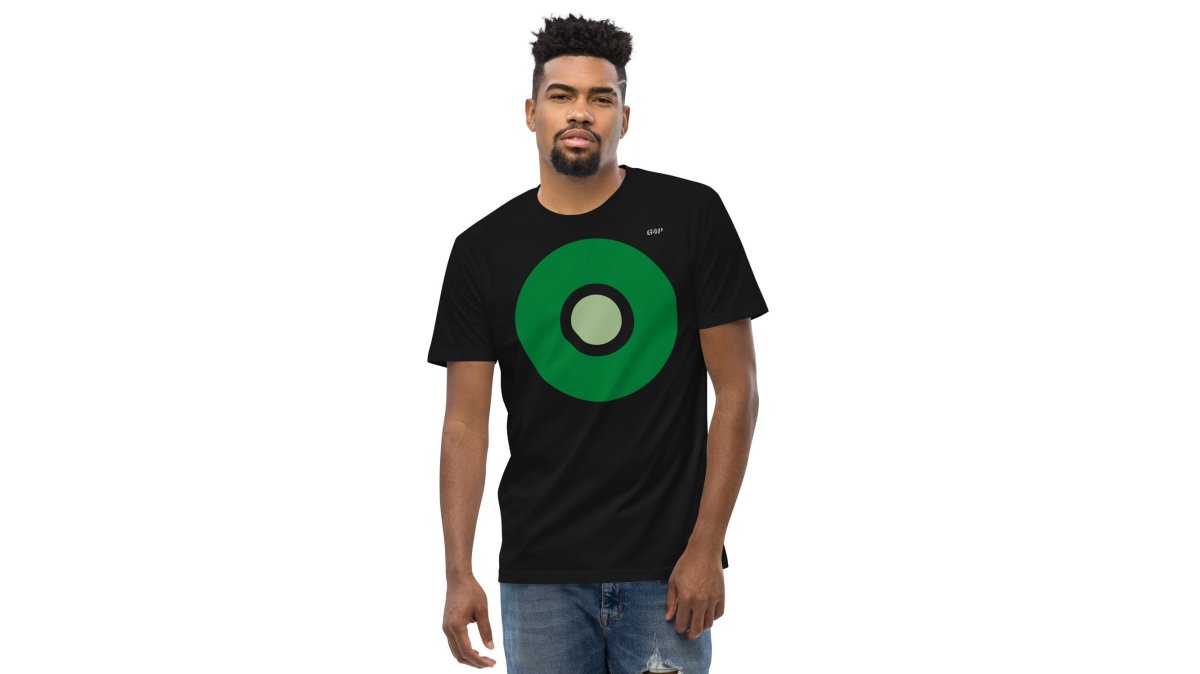
This is the standard G4P builds its range around. The brand's geometric prints span apparel like windbreakers and hoodies alongside accessories such as stainless steel bottles and tech cases. Before buying, check the print method, fibre content and returns policy first, and treat the design as the tiebreaker.
Geometric Patterns for Work vs. Weekend
Geometric patterns work in a professional setting, but only as accents. Guidance from Maake (2026) recommends restricting geometric prints to subtle details in business attire rather than the dominant feature, keeping the look sharp instead of cluttered.
For the office, think a fine lattice shirt under a plain blazer, or a chevron scarf against a neutral palette, the pattern is present but never leads. For the weekend, invert the ratio: let the geometric piece be the loudest thing you're wearing, like a bold-print hoodie with plain joggers or a tessellation-print wrap dress with flat sandals.
The mistake is treating this as a binary. It isn't. It's a dial, and you turn it based on where you're going.
Conclusion: Build Your Geometric Wardrobe with Confidence
Building a geometric wardrobe is a sequence, not a shopping spree: start monochrome, add one mixed-pattern outfit using the 3-3-3 rule, match scale to your frame, and use accessories as your testing ground. Each step makes the next easier.
The range covers apparel like windbreakers and hoodies and functional pieces such as stainless steel bottles and tech cases, all built around exclusive geometric design prints. Subscribe to G4P and get first access to new geometric drops before they sell through.
Frequently Asked Questions
How do I wear geometric prints without looking overwhelmed?
Start with one geometric piece and keep the rest of your outfit solid. Use a neutral palette, such as black, white, or beige, to give the eye a place to rest. If you want to mix patterns, stick to the same colour family and vary the scale. For example, pair a large chevron top with fine pinstripe trousers. This creates contrast without chaos. Also, consider the occasion: for work, choose subtle geometric motifs as accents rather than the main event.
Can you mix geometric patterns with other prints?
Yes, you can mix geometric patterns with other prints, but it requires a strategy. The easiest approach is to keep both patterns in the same colour family, like navy and white. Vary the scale: a bold lattice print with a small polka dot works because the sizes differ. Another tip is to anchor the look with a solid neutral piece, such as a plain blazer or trousers. This gives the eye a break and prevents the outfit from feeling too busy.
What is the 3-3-3 rule in fashion?
The 3-3-3 rule is a styling guideline that suggests limiting your outfit to three colours, three patterns, and three accessories. It helps create a cohesive look without overcomplicating. When wearing geometric patterns, you might choose one geometric print, one subtle texture (like ribbed knit), and one solid. For accessories, stick to three pieces, such as earrings, a bag, and a belt. This rule is effective for patterned apparel because it prevents visual overload and keeps your look intentional.
How do I choose the right scale of geometric pattern for my frame?
The scale of the pattern should match your frame. If you have a petite frame, smaller, delicate geometric motifs tend to work better because large shapes can overwhelm your proportions. For taller or broader frames, larger geometric patterns can create balance and make a statement. A good rule is to hold the garment up to you: if the pattern feels like it's wearing you, try a smaller scale. If it feels too timid, go bigger. Proportion is key to making geometric patterns look flattering.