 Ultimate guide
How to Express Personal Style: A 2026 Guide
Table of Contents
- Introduction: Why Personal Style Matters in 2026
- What Is Personal Style and Why It's More Than Trends
- How to Find Your Fashion Aesthetic: A Step-by-Step Guide
- How to Build a Capsule Wardrobe That Reflects You
- How to Mix Patterns and Prints Without Looking Chaotic
- Sustainable and Budget-Conscious Style Development
- Expressing Personal Style Through Accessories and Everyday Items
- Conclusion: Your Style, Your Rules
- Frequently Asked Questions
Last Updated: September 13, 2026
Introduction: Why Personal Style Matters in 2026
According to McKinsey & Company's State of Fashion 2026 report, 46% of industry professionals expect retail conditions to worsen this year, up from 39% in the previous survey. That pessimism is reshaping how people shop, and it is pushing personal style to the centre of the conversation. Knowing how to express personal style is no longer a nice-to-have; it is how you get more out of every item you already own.
This guide from G4P breaks down a structured approach: audit what you have, define your aesthetic, and build outfits that feel like you, covering the psychology behind your choices and how to shop sustainably on a budget.
What Is Personal Style and Why It's More Than Trends
Personal style is the consistent set of choices, colour, silhouette, texture, proportion, that communicates who you are without explanation. It is not fashion, which tracks what is currently selling.
The distinction matters more than ever. Who What Wear's 2026 State of Style analysis notes the industry is moving away from the minimalist "quiet luxury" aesthetic toward colour and individual expression. Meanwhile, Style Analytics' 2026 trend review identified personal style discussions, alongside thrifting and bag charms, as a defining cultural moment carrying from 2025 into 2026.
Trends change every season. Your style personality should not.
The Psychology Behind Your Style Choices
Forbes reporting on personal style as a career asset found that professionals increasingly use intentional wardrobe choices to boost confidence, leadership presence, and workplace visibility. That is the psychology of style in practice: the outfit comes first, the confidence follows.
Some stylists now reject rigid systems like colour seasons or Kibbe typing, arguing that deep self-research beats superficial categorisation. I think they are right. A label tells you what box you fit; observation tells you what you actually reach for.
How to Find Your Fashion Aesthetic: A Step-by-Step Guide
Finding your fashion aesthetic means observing your own behaviour before you buy anything new. CNN Style's 2026 guide to finding personal style outlines a four-step process: audit your existing wardrobe, align clothing with your personal passions, prioritise observation over impulse buying, and let your identity drive aesthetic choices.
Here is how that looks in practice:
- Audit your wardrobe. Pull everything out. Note what you wear weekly and what has not left the hanger in a year.
- Track your instincts. For two weeks, screenshot outfits you stop scrolling for. Patterns will emerge.
- Name your passions. Music, architecture, travel, and art all feed a personal aesthetic. Note what genuinely interests you.
- Test before you buy. Wear one new silhouette or colour for a week before committing to more.
- Review monthly. Your style evolution is data. Adjust accordingly.
Treat this as a rolling habit, not a one-off exercise.
Style Archetypes: A Shortcut, Not a Box
The faster route is to test your instincts against the recognised style archetypes, using the closest one as a starting hypothesis rather than a verdict.
The archetypes most stylists work with are:
- Classic. Tailored, neutral, timeless. Think crisp shirts, structured coats, minimal print.
- Creative. Expressive, layered, unexpected. Pattern, texture, and colour do the talking.
- Dramatic. High contrast, strong silhouette, statement pieces. Bold geometrics live here.
- Natural. Relaxed, earthy, unforced. Linen, denim, soft knits, muted tones.
- Romantic. Soft, fluid, decorative. Draping, florals, delicate detail.
- Minimalist. Reduced palette, clean lines, no noise. Every piece earns its place.
- Rebel. Subversive, ironic, rule-breaking. Mixes references deliberately.
Most people are a blend of two, with one dominant. A Creative-Dramatic reads very differently from a Natural-Classic, even if both own the same jacket.
Use the archetype as a filter, not a label. If the test points to Dramatic, try it for a month; if it feels like costume, you were wrong, and that is useful information.
The Psychology of Enclothed Cognition
What you wear changes how you think and perform. Psychologists call this enclothed cognition: a garment's symbolic meaning affects the wearer's own cognitive state.
The classic demonstration: participants wearing a white coat described as a doctor's coat showed improved attention versus those told it was a painter's smock. Same garment, different meaning, different result.
Forbes reporting on personal style as a career asset found that professionals increasingly use intentional wardrobe choices to boost confidence, leadership presence, and workplace visibility. That is enclothed cognition in practice: the outfit comes first, the confidence follows.
The practical implication: dressing for the state you want, focused, calm, playful, authoritative, is a legitimate strategy, not vanity. If a structured jacket makes you feel more decisive in a meeting, the mechanism is working.
Use the archetypes to narrow the search, then let your behaviour over the next month confirm or reject the hypothesis.
How to Build a Capsule Wardrobe That Reflects You
A capsule wardrobe is a small, coordinated collection of staples that mix freely, usually 30 to 40 pieces including shoes and outerwear. The goal is fewer decisions and more outfits.
Start with a neutral base, then add personality through one or two statement pieces: a single geometric layer over a plain base reads intentional, not chaotic.
| Capsule Layer | What to Include | Why It Works |
|---|---|---|
| Base neutrals | Plain tees, trousers, knitwear | Mix with anything |
| Structure | Blazer, denim jacket, tailored coat | Shapes the silhouette |
| Statement | Printed layer, bold accessory | Carries your personal aesthetic |
| Footwear | One casual, one smart pair | Covers most occasions |
| Outerwear | Neutral coat, statement jacket | Handles layering |
G4P's windbreakers and hoodies sit naturally in that statement row: bold abstract patterns that lift a neutral base without demanding a whole new wardrobe.
Auditing Your Current Wardrobe
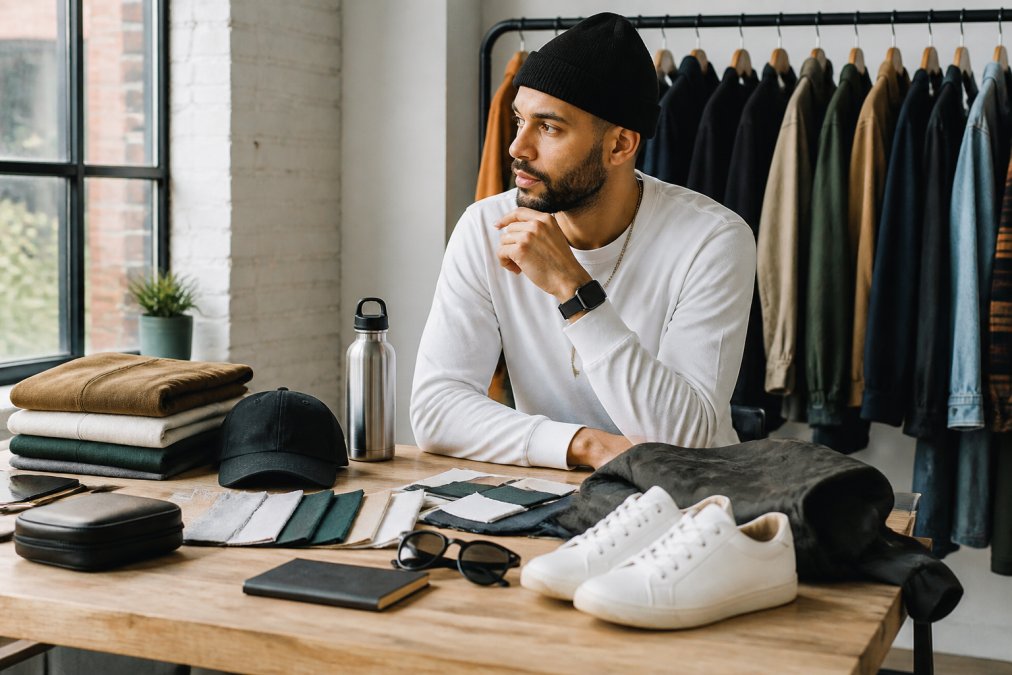
A wardrobe audit sorts everything you own into keep, repair, donate, and replace. It takes about two hours and is the highest-return task in this process.
Work in categories, not one pile. Try everything on: if it does not fit now, it does not fit. Be honest about "someday" items; most never get worn.
How to Mix Patterns and Prints Without Looking Chaotic
Mixing patterns works when you vary scale and keep one element constant: pair a large geometric print with a small, fine pattern, anchored by a solid neutral.
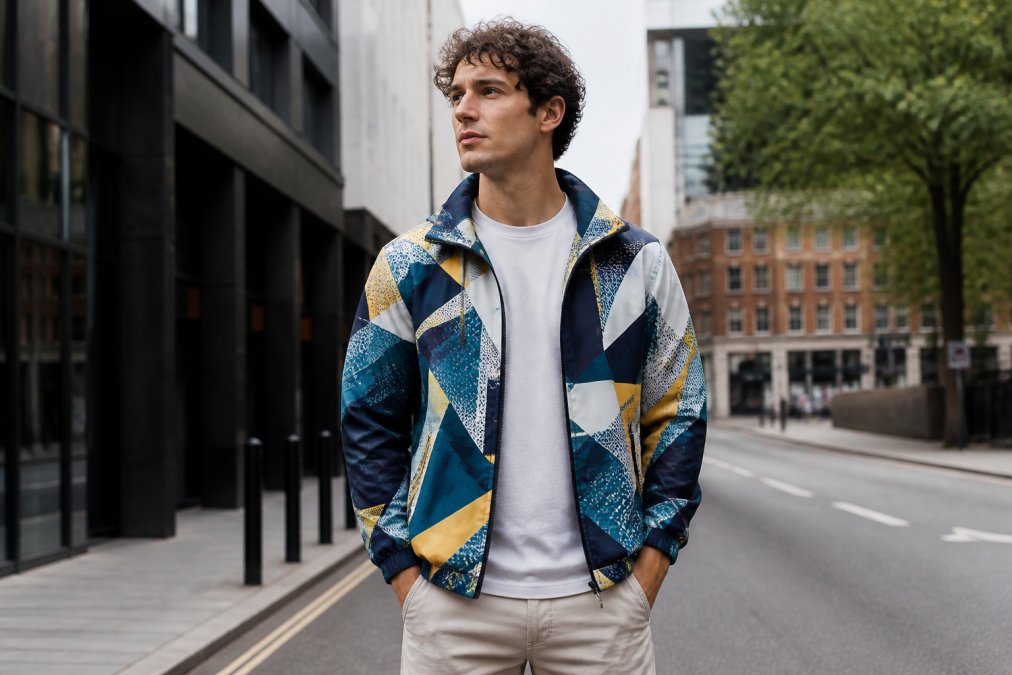
Three rules do most of the work:
- Vary the scale. Big print plus small print. Two large prints compete.
- Repeat one colour. Pull one shade from the pattern into the rest of the outfit.
- Limit yourself to two patterns. A third rarely helps.
Balancing Bold Geometrics with Neutrals
Bold geometrics are the easiest pattern family to wear because the lines are clean and the colour blocks deliberate. Give them room.
If you are used to solid colours, start with one geometric piece and keep everything else plain. A patterned jacket over black trousers and a white tee is a complete look.
Sustainable and Budget-Conscious Style Development
Sustainable style development means buying fewer, better items and wearing them longer, the cheapest route to a distinctive wardrobe, because one considered purchase replaces five impulse ones.
Three habits carry most of the weight:
- Cost per wear. Divide the price by how many times you will realistically wear it. A jacket worn twice a week for two years beats a cheap top worn once.
- Repair before replacing. Rehemming and rebuttoning extends life at a fraction of replacement cost.
- Buy pieces that cross occasions. A printed layer that works at a weekend and under a plain coat at work does double duty.
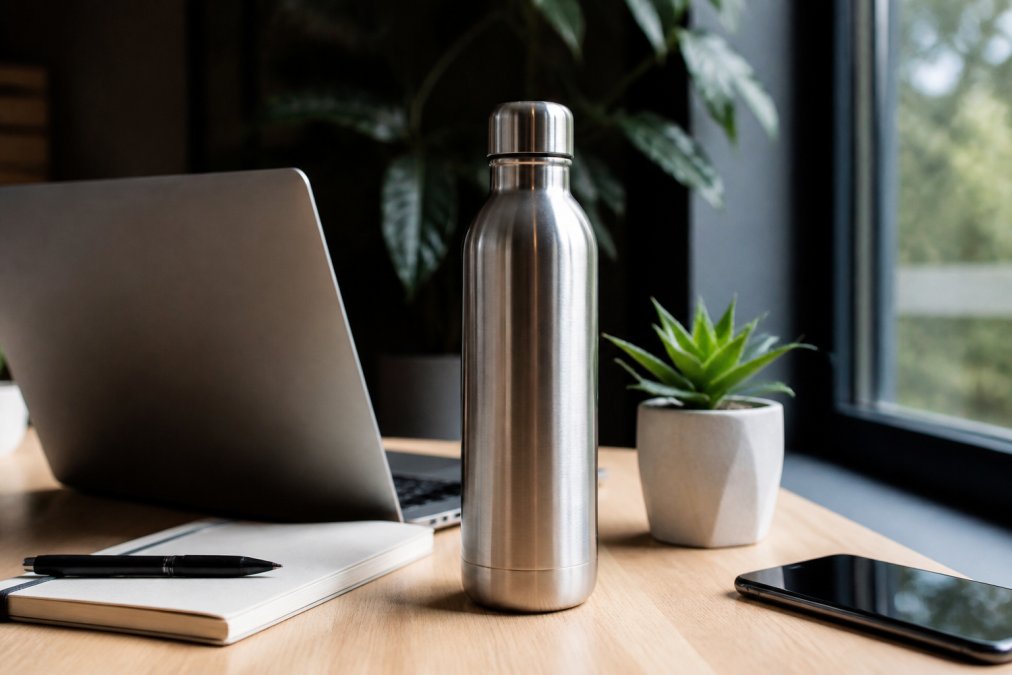
Durability is the sustainability story: G4P's stainless steel bottles and tech cases are built as reusable, everyday items. For current pricing and range, check the G4P site directly.
Expressing Personal Style Through Accessories and Everyday Items
Accessories carry more style signal per pound than anything else you own: a bottle, phone case, bag, or scarf sits in plain view and can carry a visual identity.
This is where a signature look gets built without effort. If your wardrobe is mostly neutral, one geometric accessory does the work of a whole outfit change.
A practical way to test a new aesthetic: buy it in accessory form first. A printed tech case tells you whether you enjoy bold pattern in daily use before you commit to a jacket, the lowest-risk place to start.
Proportion and Body Type: A Framework, Not a Rulebook
Most guides handle body type by sorting readers into fruit shapes and prescribing what to hide, dated and often unhelpful. A better framework is proportion: how your outfit's visual weight is distributed, and where you want the eye to land.
Three levers do most of the work:
- Vertical line. A long open layer, a column of one colour, or a high-waisted trouser all create an unbroken vertical that reads as height and calm. Breaking the line with a contrasting belt or a cropped jacket reads as energy and emphasis.
- Horizontal line. A horizontal break, a waistband, a hem, a colour change, draws the eye to that point. Place breaks deliberately. If you want attention at the shoulder, a structured seam or a bold collar does it. If you want it at the waist, a belt or a tucked hem does it.
- Volume balance. Pair volume with structure. A wide trouser wants a closer top; a boxy jacket wants a slimmer leg. Two voluminous pieces together can work, but only when the fabric and colour are deliberately coordinated, otherwise it reads as accidental.
This framework is body-neutral: it assumes no gender, size, or shape, only that you want to control where the eye goes, the skill underneath every "dress for your shape" article.
Inclusive Style: Beyond Gendered Archetypes
Most style guides still split advice into menswear and womenswear, and most archetype lists assume a binary presentation, leaving many readers without a framework.
The proportion levers above work regardless of identity, and so does the three-word method. The archetypes describe a visual language, not a gender, a Dramatic silhouette can be built from a tailored coat, a sharp boot, and a high-contrast palette whether the wearer presents masculine, feminine, or neither.
If you are building a gender-fluid wardrobe, the practical moves are:
- Shop the whole shop. Ignore the menswear/womenswear split when browsing. Fit is the only filter that matters.
- Prioritise silhouette over category. A relaxed overshirt, a straight trouser, and a structured jacket are all unisex in effect.
- Use tailoring as a tool. A small alteration, taking in a shoulder, shortening a hem, does more for fit than any label.
- Anchor with accessories. A bag, a boot, or a piece of jewellery can shift the read of an outfit without changing the clothes.
Budget-Conscious Accessorising
Accessories are the cheapest way to evolve a look without replacing a wardrobe. Three habits keep costs down:
- One statement, many outfits. A single bold accessory, a printed scarf, a geometric bag, a distinctive belt, can lift five neutral outfits. Cost per wear drops fast.
- Repair and rewear. A reheeled boot or a restrung necklace costs a fraction of a replacement and often looks better than new.
- Buy second-hand first. Charity shops, vintage fairs, and resale platforms are where distinctive accessories live. A pre-owned piece is also a sustainability win, which matters if you are trying to buy fewer, better things.
Conclusion: Your Style, Your Rules
The hardest part of personal style is not knowing what you like; it is trusting it when the trend cycle disagrees.
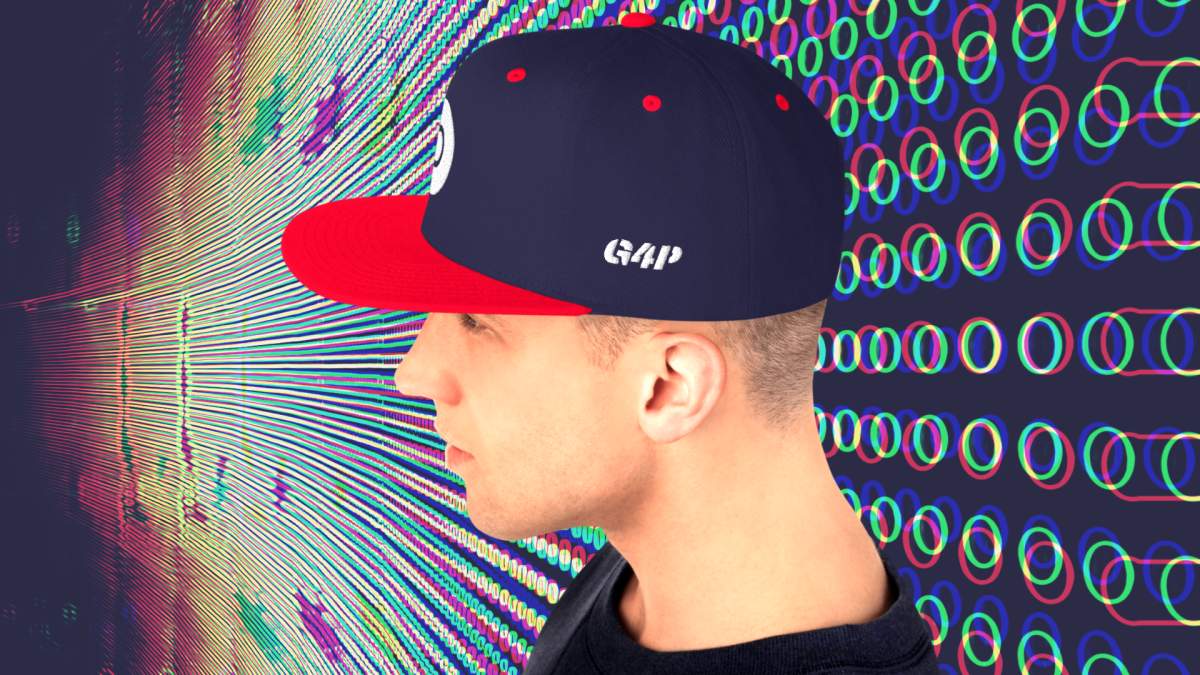
G4P builds for exactly that: exclusive geometrical design prints across windbreakers, hoodies, stainless steel bottles, and tech cases, so the pieces you use every day carry the same visual identity as the ones you wear, functional items made to be used, not stored.
Subscribe to G4P and start building a wardrobe that looks like you, not like the season.
Frequently Asked Questions
How do I describe my personal style?
Start by identifying three words that capture your vibe, such as 'minimalist', 'eclectic', or 'dramatic'. Then, look at your wardrobe and note recurring colours, silhouettes, and textures. For example, if you often reach for bold geometric prints and clean lines, your style might be 'modern graphic'. This method helps you communicate your aesthetic clearly and guides future purchases.
What is the 3-3-3 rule for outfits?
The 3-3-3 rule suggests limiting your outfit to three colours, three textures, and three focal points. This creates visual harmony without overwhelming the eye. For instance, pair a bold geometric windbreaker with neutral trousers and a simple top, using accessories to add subtle texture. It's a practical way to experiment with patterns while staying balanced.
How can I experiment with my style without spending a fortune?
Try thrifting, clothing swaps, or renting pieces to test new looks. Focus on accessories like scarves, bags, or tech cases to add personality without a full wardrobe overhaul. Budget-conscious style development means prioritising versatile items that mix well with what you already own. You can also use digital tools to plan outfits before buying.
How do I balance comfort and personal style?
Choose fabrics that feel good against your skin and cuts that allow movement. For example, a relaxed-fit hoodie with a bold geometric print can be both comfortable and stylish. Layering with breathable materials and investing in well-fitting basics ensures you don't sacrifice comfort for expression. Remember, confidence comes from feeling at ease in what you wear.
Does personal style change as you get older?
Yes, personal style evolves with your experiences, lifestyle, and preferences. What felt right in your twenties may shift in your thirties as your roles and responsibilities change. Embrace this evolution by regularly auditing your wardrobe and trying new silhouettes or colours. Your style should reflect who you are now, not who you were five years ago.
How can I incorporate sustainable practices into my personal style?
Prioritise durable, versatile pieces from brands with transparent supply chains. Look for items made from organic or recycled materials, and care for them properly to extend their life. Building a capsule wardrobe reduces impulse purchases and supports ethical consumption. Sustainable style curation is about making mindful choices that align with your values.
What if I'm not a 'bold pattern' person but want to try geometric designs?
Start small with accessories like a stainless steel water bottle or a tech case featuring subtle geometric prints. These add a touch of personality without committing to a full outfit. Once comfortable, you can incorporate a single statement piece, like a windbreaker, paired with neutral basics. This gradual approach builds confidence in wearing abstract patterns.