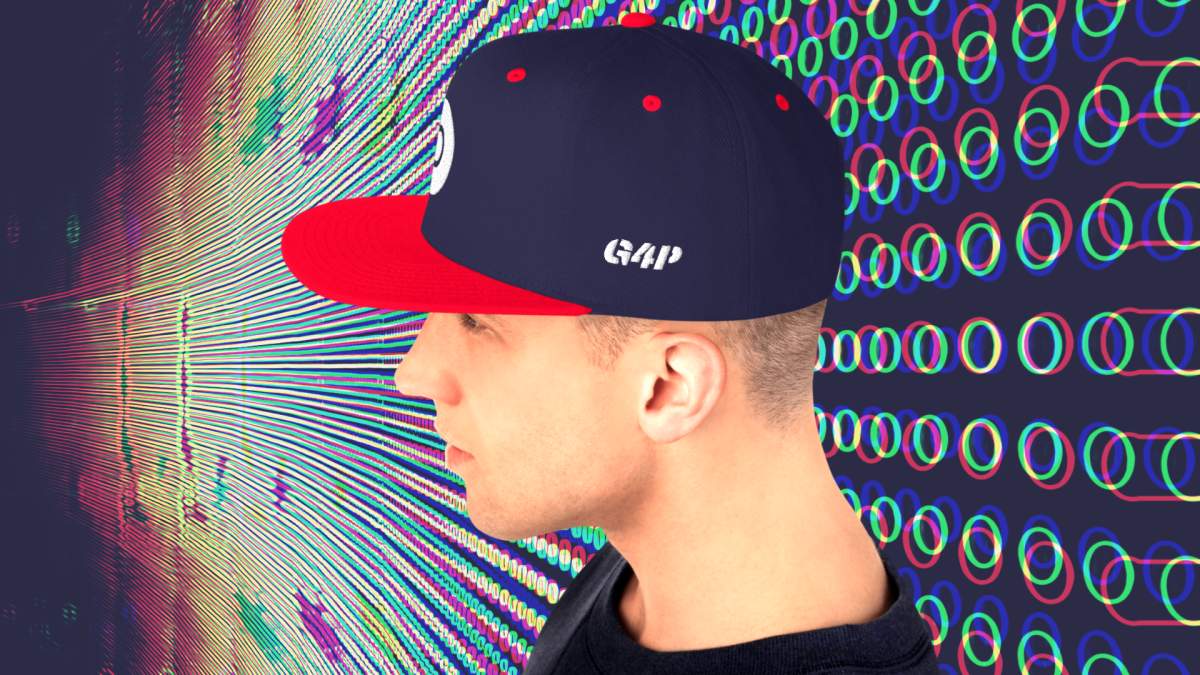
 Ultimate guide
Why Choose Artist-Designed Apparel: A 2026 Guide
Last Updated: October 22, 2026
Quick Summary
Artist-designed apparel is worth choosing because you get original prints made by a real designer rather than recycled stock graphics, plus better construction since the garment has to carry the artwork. Pieces tied to a genuine design idea also stay in rotation longer than trend-driven prints.
- Artist-led labels compete on design, so garments tend to have better construction, fit and print durability.
- Check whether a label publishes its design process, sketches or artist credits before buying.
- Royalty and per-unit fee models keep more value with the creator than flat licensing.
- Higher prices usually reflect smaller production runs, original artwork and better materials.
- Reverse image search reveals whether a unique print is actually stock artwork.
Table of Contents
- Why Choose Artist-Designed Apparel Over Mass-Produced Fashion
- Wearable Art Fashion: When Clothing Becomes Creative Expression
- Unique Graphic Apparel: Originality You Won't See on Every High Street
- Materials, Construction and Print Quality That Actually Last
- Supporting Independent Artists: Ethics, Compensation and Value
- How to Style Graphic Apparel for Work, Weekends and Everything Between
- How to Find and Verify Genuine Artist-Designed Pieces
- Frequently Asked Questions
Why Choose Artist-Designed Apparel Over Mass-Produced Fashion
Walk into any high street chain and you'll see the same recycled graphics on the same thin cotton, produced in runs of tens of thousands. Artist-designed apparel works the other way round: a real creative mind starts with an idea, and the garment follows.
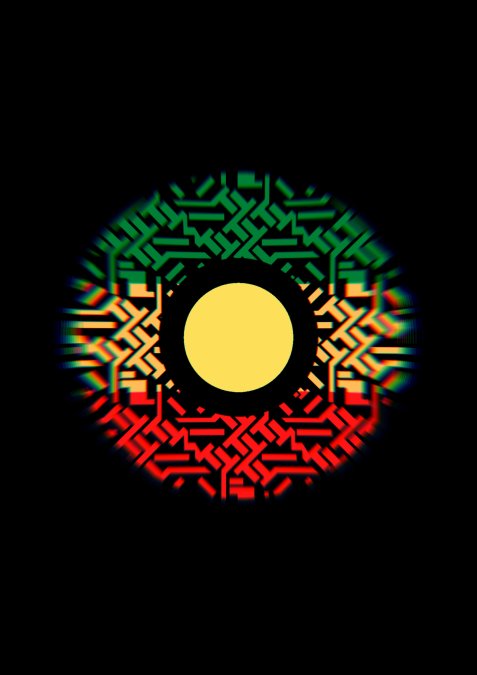
The difference shows up in three places. First, originality: your hoodie or windbreaker isn't on three other people in the same postcode. Second, intention: every colour choice and composition decision was made by a designer, not a merchandising algorithm. Third, longevity: pieces tied to a genuine design idea tend to stay in rotation long after trend-driven prints have been retired to the back of the drawer.
There's a practical angle too. Mass-market fashion competes on price, which means corners get cut on fabric weight, stitching and print method. Artist-led labels compete on design, so the garment has to be good enough to carry the artwork. That pressure tends to produce better construction, better fit and prints that survive repeated washing.
Wearable Art Fashion: When Clothing Becomes Creative Expression
Wearable art fashion is clothing designed as a creative statement first and a commodity second, where the print, cut and colour work together as a single artistic idea. The garment becomes the canvas rather than the afterthought.
Academic work on design processes backs this up. Research from Omwami and colleagues on idea development in apparel design examined how apparel designers generate and develop ideas, and it treats inspiration as a structured, deliberate process rather than a spontaneous flash.
Creative expression in clothing isn't about being loud. It's about coherence. A geometric print with a considered colour palette reads as intentional. A random mashup of slogans and clip art reads as noise.
This is also where fashion and art genuinely intersect rather than just borrowing from each other. The composition rules that govern a painting, balance, contrast, negative space, apply directly to a garment's print layout. When those principles are applied properly, the piece works from across a room and up close.
Unique Graphic Apparel: Originality You Won't See on Every High Street
Unique graphic apparel means prints created for a specific label rather than licensed, recycled or generated from a stock library. The test is straightforward: can you find the same design on another brand's site? If yes, it isn't unique.
Printful's 2026 t-shirt design trends analysis points to a shift toward nostalgia, self-expression, boldness and vibrant colour, including mixes of digital illustration and photography. That's useful context, because it tells you what the market is about to be saturated with.
Originality has a practical benefit beyond aesthetics. A distinctive piece is easier to style because it does the work for you: a bold abstract hoodie over plain trousers needs nothing else. Generic graphic tees, by contrast, often sit awkwardly between "statement" and "filler".
One caveat worth stating plainly. Bold abstract patterns aren't for everyone, and that's fine. If you live in solid colours, start with a smaller hit of pattern, a tech case or a bottle rather than a full windbreaker, and see how it feels in your actual routine.
Materials, Construction and Print Quality That Actually Last
Durability is where the artist-designed argument either holds up or collapses. A beautiful print on a poorly made garment is a false economy.
Start with fabric weight and composition. Heavier cotton and cotton-rich blends hold their shape through repeated washing; very thin jersey pills and stretches at the seams. For outerwear like windbreakers, look at the shell fabric and how the seams are finished, since that's where wear shows first.
Print method matters just as much. Screen printing generally produces a thicker, more durable ink layer that holds up over many washes. Direct-to-garment printing handles detailed, multi-colour artwork well but varies in longevity depending on the pre-treatment and curing. Dye-sublimation, common on polyester performance wear, bonds the colour into the fabric itself and doesn't crack, though it's limited to light-coloured synthetic bases.
Then there's care, which is where most prints actually fail:
- Wash inside out on a cool cycle
- Skip fabric softener, which degrades print adhesion
- Avoid tumble drying on high heat
- Iron on the reverse, never directly on the print
- Turn garments inside out before storing for the season
Follow those and a well-printed piece will outlast most fast-fashion equivalents by a wide margin. Ignore them and even good printing will crack within a year.
Supporting Independent Artists: Ethics, Compensation and Value
Buying artist-designed apparel is a purchasing decision with a supply chain behind it, and it is fair to ask where the money goes. The answer depends on the model, and the model shapes both the price you pay and the incentive the artist has to keep designing.
There are three common compensation structures. In a royalty model, the artist receives a percentage of each sale, typically in the low single digits to low double digits depending on the label and the artist's profile. In a per-unit fee model, the artist receives a fixed amount for each garment sold, which is simpler to administer but does not scale with price. In a flat licensing arrangement, the artist is paid once for the right to use the design, often for a defined period or production run.
This is where the price conversation becomes honest. A higher ticket price on artist-designed apparel usually reflects three cost drivers: smaller production runs, original artwork and better materials. Short runs cost more per unit than mass production because setup costs are spread across fewer garments. Original design work has to be paid for, whether through a royalty, a fee or a licence.
Ethical purchasing also means asking about production. Where a garment is made, how the fabric is sourced and whether the print process is responsible all matter.
Value, then, is not the same as price. A hoodie with a royalty-paid original print, a heavier cotton body and a screen-printed design that survives many washes is better value than a hoodie with a licensed stock graphic that cracks after ten.
Finally, attribution is the simplest signal of an ethical supply chain. A named designer, a stated compensation model and a visible design process are all evidence that the artist is a partner rather than an afterthought. When those things are missing, the word "artist-designed" is doing marketing work rather than describing a real relationship.
How to Style Graphic Apparel for Work, Weekends and Everything Between
Styling bold prints is less about taste and more about visual weight. A geometric print carries a lot of visual information, so the practical rule is to let the garment lead and keep everything else quiet.
For work, layering is the mechanism that makes bold prints office-appropriate. Wear the patterned piece as the outer layer over a plain shirt or tee, so the print occupies roughly a third of the visible outfit rather than the whole thing.
For weekends, invert the ratio. If you are layering two patterns, keep them at different scales, a large abstract print with a fine stripe, never two bold geometrics together.
Accessories are the low-risk entry point, and they are also the smartest way to test a bold aesthetic before committing to a full garment.
One practical note on fit: bold prints amplify poor fit. A geometric pattern draws the eye to seams and drape, so a garment that fits well in a plain colour can look awkward in a busy print.
How to Find and Verify Genuine Artist-Designed Pieces
Verification is a five-minute job if you know what to look for. Genuine artist-designed apparel leaves a trail: a named designer, a stated design process, and a clear statement of how the artist is credited or paid.
Work through this checklist before you buy:
- Is the artist or designer named on the product page?
- Does the brand explain its design process or show sketches and references?
- Are the prints exclusive to that label, or do they appear on other retailers' sites?
- Is the print method stated, screen print, DTG or sublimation?
- Are fabric composition and weight listed?
- Is there a clear returns policy and real customer reviews?
- Can you find the same design elsewhere with a reverse image search?
Reverse image search is the single most useful tool here. If a "unique" print turns up on three other sites, it's stock artwork. If it appears only on the designer's own channels, you're looking at original work.
Our own approach at G4P is to keep the range focused on exclusive geometrical prints across apparel and functional accessories, so the design language is consistent whether you're buying a hoodie or a bottle. That consistency is itself a signal of an artist-led range rather than a drop-shipped catalogue.
Frequently Asked Questions
What makes artist-designed apparel different from ordinary clothing?
Artist-designed apparel starts with an original artwork, not a stock graphic or a trend-led print bought off a catalogue. The design is created by an independent artist, often with a distinct visual language such as geometric patterns or abstract compositions, and then produced on garments or accessories. That means the piece carries a narrative and a point of view. You are buying a design decision rather than a mass-market look, which is why artist-designed apparel tends to feel more personal and less disposable than high-street basics.
Is artist-designed clothing considered wearable art?
Yes. Wearable art fashion treats the garment as a canvas: the print, colour choice and composition are the point, not an afterthought. The difference from a gallery piece is wearability. Good wearable art still works as clothing, with a cut, fabric and finish you can actually live in. When you shop, check that the artwork sits well on the body, that the print placement suits the garment shape, and that the material is comfortable enough for regular wear. Art you can put on is the whole appeal.
How can you style bold, artist-designed clothing for everyday wear?
Anchor the print with neutral pieces. A geometric hoodie or windbreaker works well over plain trousers, denim or a monochrome base, letting the design carry the outfit. For a corporate setting, keep the silhouette simple and choose one statement piece, such as a patterned top under a plain jacket. Accessories help too: a printed tech case or stainless steel bottle adds the same aesthetic without overwhelming your look. Learning how to style graphic apparel is mostly about restraint, giving one bold piece room to stand out.
What should you look for when buying artist-designed apparel?
Check four things. First, the print method: screen printing and direct-to-garment produce different finishes and durability. Second, the fabric and construction, including stitching, seams and how the garment holds its shape. Third, sizing information and fit notes, since independent labels can run differently from high-street sizes. Fourth, the artist story: who made the design and how they are credited or paid. Ask about care instructions too. Washing inside out in cold water and avoiding tumble drying keeps prints sharp for longer.
Mass-produced fashion will always be cheaper and easier to find. The harder question is whether it's worth wearing. If you want clothing and everyday items that carry a real design idea, hold up to repeated washing and don't look like everyone else's, G4P's selection of exclusive geometrical prints is built for exactly that. Browse the G4P Selection and find a piece that earns its place in your rotation.