
 Ultimate guide
Why Choose Stainless Steel Bottles? 7 Real Benefits
Table of Contents
- Why Choose Stainless Steel Bottles Over Plastic and Glass
- Stainless Steel vs Plastic Water Bottles: The Key Differences
- The Benefits of 18/8 Stainless Steel for Everyday Hydration
- How to Clean Stainless Steel Water Bottles Properly
- The Environmental Impact and Lifecycle of Your Bottle
- Choosing the Right Stainless Steel Bottle for Your Lifestyle
- Frequently Asked Questions
Last Updated: September 9, 2026
Why Choose Stainless Steel Bottles Over Plastic and Glass
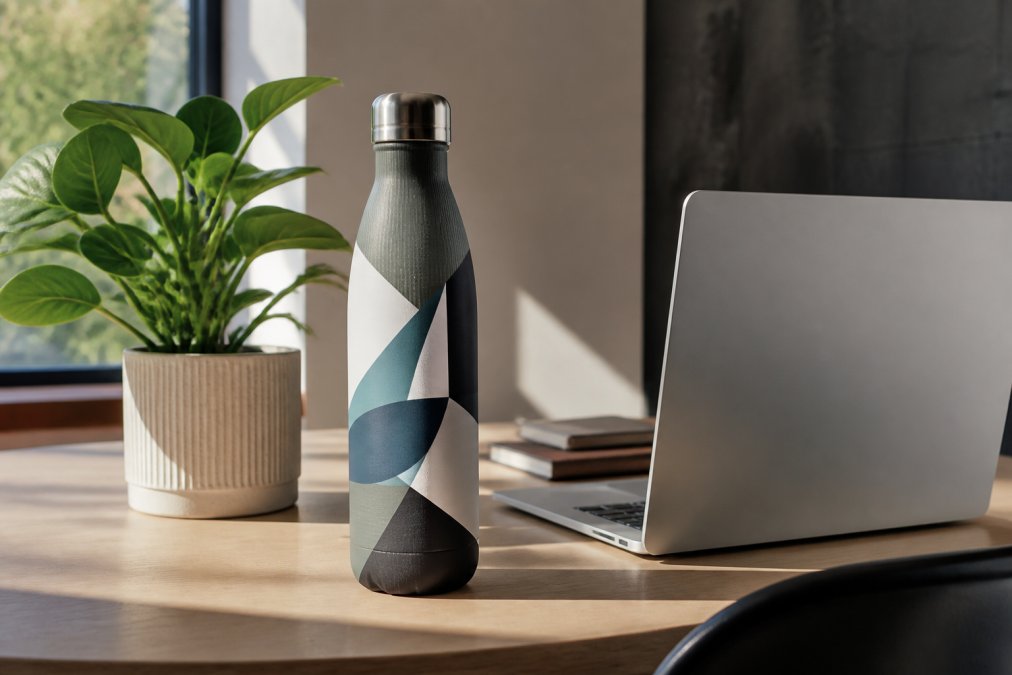
The global stainless steel water bottle market is valued at USD 1.60 billion in 2026, with projections indicating growth to USD 2.48 billion by 2034, according to Fortune Business Insights market analysis. That growth reflects a fundamental shift: approximately 72% of consumers now prefer stainless steel bottles over single-use plastics, driven by concerns about health, durability, and environmental impact. At G4P, we have watched this trend reshape how people think about everyday hydration, and we have curated a range of stainless steel bottles that pair practical performance with distinctive geometric design prints.
A stainless steel bottle is a reusable hydration vessel made from food-grade metal alloy, typically grade 304 or 18/8 stainless steel, that resists corrosion, retains temperature, and eliminates the chemical leaching risks associated with plastic. Choosing stainless steel bottles over plastic and glass comes down to three core advantages: material safety, thermal performance, and long-term durability. Unlike glass, steel survives drops and knocks; unlike plastic, it does not harbour odours or release microplastics into your drink.
Below, we will break down the specific differences between materials, the practical benefits of 18/8 steel, and how to maintain your bottle so it lasts for years.
Stainless Steel vs Plastic Water Bottles: The Key Differences
The most significant difference between stainless steel and plastic water bottles is what each material does to your drink over time. Plastic bottles, particularly older or lower-quality ones, can leach chemicals like BPA into water, especially when exposed to heat or sunlight. Stainless steel is non-reactive, meaning it does not transfer any taste, odour, or chemical compounds to the liquid inside.
Durability is where the materials diverge most sharply. Research from Michigan State University Extension confirms that stainless steel offers superior longevity compared to plastic or glass due to its corrosion resistance. A well-made steel bottle can last a decade or more, while plastic bottles often degrade, crack, or retain stains within a year of daily use.
Temperature retention also separates the two. Double-wall vacuum insulation in steel bottles keeps drinks cold for up to 24 hours, a capability that single-wall plastic simply cannot match. For anyone who carries water through a workday, a commute, or a gym session, that difference is felt every single sip.
| Feature | Stainless Steel | Plastic |
|---|---|---|
| Chemical leaching | None (BPA-free, non-toxic) | Possible with heat or age |
| Lifespan | 10+ years with care | 6-12 months typical |
| Temperature retention | Up to 24 hours cold | Minimal |
| Taste and odour | Neutral | Can absorb flavours |
| Recyclability | Infinitely recyclable | Downcycled, limited |
The Benefits of 18/8 Stainless Steel for Everyday Hydration
When you see '18/8' stamped on a bottle, it refers to the alloy composition: 18% chromium and 8% nickel. This combination gives the steel its corrosion resistance and non-reactive properties. But not all stainless steel is created equal, and understanding the grades helps you make an informed choice.
18/8 vs 18/10 vs 304: What the Numbers Mean
- 18/8 (Grade 304): The most common food-grade stainless steel. It contains 18% chromium and 8% nickel, offering excellent corrosion resistance and durability. It is used in commercial kitchens and medical instruments.
- 18/10 (Grade 316): Contains 18% chromium and 10% nickel, with added molybdenum for enhanced resistance to chlorides and acids. This grade is often found in high-end cookware and marine environments. For everyday water bottles, the difference is marginal, but 18/10 may be slightly more resistant to pitting if you frequently fill with acidic drinks like citrus juices.
- Grade 430: A lower-cost ferritic stainless steel with 17% chromium and minimal nickel. It is magnetic and less corrosion-resistant. Bottles made from 430 may be cheaper but can rust or impart a metallic taste over time, especially if scratched.
Why 18/8 is the Sweet Spot for Bottles
For daily hydration, 18/8 offers the best balance of safety, durability, and cost. It is non-reactive, meaning it won't leach chemicals or alter the taste of your water. It is also resistant to rust and staining, even with frequent use. Unlike plastic, it does not harbour odours or bacteria in microscopic scratches, making it a hygienic choice.
How to Verify Quality When Shopping
A genuine 18/8 bottle should have the grade stamped on the base or listed on the packaging. Look for '18/8' or '304', both indicate the same alloy. If the bottle is unmarked, it may be a lower-grade steel that could corrode or affect taste. Reputable manufacturers will always disclose the material grade.
The Role of Nickel and Chromium
Chromium forms a thin, invisible layer of chromium oxide on the surface, which protects the steel from oxygen and moisture. Nickel stabilises this layer and enhances toughness. This is why 18/8 steel can withstand repeated washing, exposure to acidic drinks, and drops without degrading.
Beyond the Alloy: Construction Matters
Even with 18/8 steel, the manufacturing process affects performance. Look for bottles with double-wall vacuum insulation, which not only retains temperature but also prevents condensation on the outside. A well-constructed bottle will have a seamless interior, reducing areas where bacteria can hide.
A Note on 'Food-Grade' Certification
In the UK, stainless steel that comes into contact with food must comply with the Materials and Articles in Contact with Food Regulations 2012. This ensures that the steel does not release harmful substances into food or drink. When you buy from a reputable brand, you can trust that the bottle meets these standards, but it's always worth checking for a compliance statement.
By understanding these nuances, you can move beyond the generic 'stainless steel is safe' claim and choose a bottle that truly meets your needs.
How to Clean Stainless Steel Water Bottles Properly
A common misconception is that stainless steel bottles are self-cleaning. They are not. A 2024 study published in the National Center for Biotechnology Information (PMC) found that reusable bottles, regardless of material, can become hubs for microbial populations if not cleaned and maintained correctly. The good news is that steel is easier to sanitise thoroughly than plastic, which absorbs stains and bacteria into microscopic scratches.
Daily Cleaning Routine
For everyday use, wash your bottle with warm soapy water after each use. Pay special attention to the rim and threads, where bacteria and saliva accumulate. Use a soft bottle brush to reach the bottom and sides. Rinse thoroughly to remove any soap residue, which can affect taste. plastic-free kitchenware.
Deep Cleaning and Odour Removal
If your bottle develops an odour, often from milk, protein shakes, or leaving it sealed for too long, try these methods:
- Bicarbonate of Soda: Fill the bottle with warm water and add a teaspoon of bicarbonate of soda. Let it sit for 15 minutes, then scrub and rinse. This neutralises odours without scratching the steel.
- White Vinegar: For stubborn smells, fill the bottle with a solution of one part white vinegar to three parts water. Let it soak for 30 minutes, then rinse thoroughly. Vinegar also helps remove mineral deposits from hard water.
- Hydrogen Peroxide: For a deeper sanitisation, use a 3% hydrogen peroxide solution. Swirl it around the bottle, let it sit for 10 minutes, then rinse thoroughly. This is effective against bacteria and mould.
- Lemon Juice and Salt: For removing stains or tarnish, rub the inside with half a lemon dipped in salt. Let it sit for 10 minutes, then rinse. This is a natural, non-abrasive cleaner.
Cleaning Lids and Seals
Lids and silicone seals are often overlooked but are prime spots for mould growth. Remove the seal (if possible) and wash it separately in warm soapy water. For a deeper clean, soak the lid and seal in a vinegar solution for 20 minutes. Ensure they are completely dry before reassembling to prevent moisture buildup.
What to Avoid
- Abrasive scrubbers: Steel wool or harsh scouring pads can scratch the surface, creating hiding places for bacteria and compromising corrosion resistance.
- Bleach-based cleaners: These can damage the protective oxide layer and leave harmful residues.
- Dishwasher for vacuum-insulated bottles: The high heat and detergents can break down the vacuum seal or damage the exterior finish. Hand washing is always safer.
Drying and Storage
After cleaning, dry your bottle upside down with the lid off to allow air circulation. This prevents moisture from lingering, which can lead to mould or mildew. Store the bottle with the lid off or loosely attached to keep it fresh.
How Often to Clean
- Water only: Rinse daily and deep clean weekly.
- Coffee, tea, or juice: Rinse immediately after use and deep clean every 2-3 days.
- Protein shakes or smoothies: Rinse immediately and deep clean daily, as these leave residues that promote bacterial growth.
A Note on Sanitisation
For extra peace of mind, you can occasionally sanitise your bottle by boiling water and pouring it in, letting it sit for 5 minutes, then rinsing. This is safe for 18/8 steel but avoid doing it too often, as extreme heat can affect the exterior finish if it's printed or coated.
By following these protocols, you ensure your bottle remains hygienic and odour-free, extending its lifespan and keeping your drinks tasting fresh.
The Environmental Impact and Lifecycle of Your Bottle
The environmental argument for stainless steel is straightforward: it outlasts plastic, it is infinitely recyclable, and it eliminates the single-use waste stream entirely. Stainless steel is 100% recyclable without loss of quality, meaning the material in your bottle can become another steel product at the end of its life, rather than ending up in landfill or the ocean.
The lifecycle analysis favours steel despite the higher energy cost of production. Because a steel bottle replaces hundreds of single-use plastic bottles over its lifetime, the carbon footprint evens out within months of regular use. Corporate gifting programmes have recognised this, with many organisations transitioning from single-use plastic to branded stainless steel bottles to improve their sustainability metrics, as documented by Flaske sustainability case study.
The one caveat is that stainless steel bottles are only as sustainable as your habits. A bottle that is lost after three months has a worse environmental profile than a plastic bottle used for a year. Buying one quality bottle and committing to it is the actual eco-friendly choice.
Choosing the Right Stainless Steel Bottle for Your Lifestyle
The best stainless steel bottle for you depends on how you plan to use it. For daily commuters, a 500-750ml bottle with a leak-proof lid and a slim profile that fits in a backpack side pocket is ideal. For gym-goers, look for a wider mouth that accommodates ice cubes and a carry loop for easy transport. For office workers, a bottle with a straw lid allows for hands-free sipping during meetings.
Capacity matters more than most people expect. A 500ml bottle is fine for a short commute, but if you exercise or spend full days away from home, a 750ml or 1-litre bottle prevents the temptation to buy a plastic bottle when you run dry.
Material grade and construction quality should be non-negotiable. Stick with 18/8 food-grade steel, double-wall vacuum insulation, and a powder-coated or printed exterior that resists scratches. At G4P, our stainless steel bottles feature exclusive geometric prints that do not fade or crack with regular washing, so you get the durability of premium steel with a design that expresses your personal style. The range of lifestyle products at G4P, from apparel to tech cases and bottles, is built around this same principle: functional items that double as wearable and portable art.
Choosing a stainless steel bottle is not just a purchase decision; it is a commitment to a material that performs better, lasts longer, and leaves a smaller footprint than the alternatives. The challenge is finding one that you will actually carry every day, which is where design matters as much as engineering. G4P combines food-grade 18/8 stainless steel construction with exclusive geometric prints, creating bottles that stand out on your desk and survive years of daily use. Explore the G4P collection and find a bottle that matches your style and your standards.
Frequently Asked Questions
What are the downsides of stainless steel bottles?
The main downsides are that they can dent if dropped, and they are heavier than plastic. Some cheaper models may not have effective insulation. They also require proper cleaning to avoid any metallic taste or bacterial build-up, though this is easy to manage with regular washing.
Which is better, a 304 or 316 stainless steel bottle?
Both are food-grade and safe. 304 (often called 18/8) is the industry standard for water bottles because it is non-toxic and corrosion-resistant. 316 adds molybdenum, making it more resistant to salt and chlorides, which is useful for marine environments but unnecessary for daily hydration. For general use, 304 is an excellent choice.
Is it better to drink from glass or stainless steel bottles?
Both are excellent non-toxic choices. Stainless steel is lighter and more durable than glass, making it safer for commutes and outdoor activities. The key advantage of stainless steel is its vacuum insulation, which keeps drinks cold for up to 24 hours, something glass bottles cannot do. Steel bottles are also less likely to shatter.
Do stainless steel water bottles keep drinks cold for 24 hours?
Yes, high-quality double-wall vacuum-insulated bottles are designed to keep drinks cold for up to 24 hours. The vacuum between the two steel walls eliminates heat transfer, preventing condensation on the outside and maintaining the beverage's temperature. This makes them ideal for long commutes, days out, and staying hydrated during hot weather.