 Ultimate guide
7 Streetwear Essentials That Build a Complete Wardrobe
Last Updated: November 7, 2026
Quick Summary
The core streetwear essentials are a graphic tee, a hoodie, straight or relaxed bottoms, a jacket or layer, and clean trainers. Get those five right and everything else is variation. Buy them in that order before adding any statement piece.
- Graphic tees work best in 180-220 gsm cotton jersey with a boxy body.
- Choose hoodies in 300-400 gsm loopback cotton with a structured hood.
- Buy one clean neutral trainer first, then two tees, a hoodie, bottoms and a layer.
- Keep accessories to two at a time so the outfit does not compete with itself.
- A statement piece only earns its place after the five basics are in place.
Table of Contents
- What Streetwear Actually Means Today
- The Streetwear Essentials Every Wardrobe Needs
- How to Style a Hoodie Without Looking Underdressed
- Streetwear Outfit Ideas for Work, Weekends and Evenings
- Streetwear Accessories That Finish the Look
- Fit, Fabric and Construction: What Separates Good from Disposable
- Building a Streetwear Wardrobe Without Overbuying
- Choosing Your First G4P Pieces
- Frequently Asked Questions
What Streetwear Actually Means Today
Streetwear is a style of casual clothing rooted in youth subcultures, built around graphic tees, hoodies, trainers and limited-release drops that signal belonging rather than wealth. The term covers far more ground now than it did in the skate parks and hip-hop scenes that shaped it. At G4P, we design around that same idea: clothing as self-expression, not a uniform.
From Skate and Hip-Hop Roots to High Fashion
Skate culture and hip-hop gave streetwear its grammar: oversized fits, graphic tees, trainers treated as collectibles. Independent designers turned those codes into a global language. Research into brand authenticity in streetwear social media shows how much of the category's pull comes from credibility rather than advertising. Luxury houses noticed, and collaborations with skate and street labels moved the aesthetic into high fashion.
Streetwear vs Casual Wear: The Real Difference
Casual clothing is about comfort first. Streetwear adds intent: a specific silhouette, a graphic with meaning, a trainer chosen for the culture around it. That intent is what separates a plain sweatshirt from a streetwear essential.
The Streetwear Essentials Every Wardrobe Needs
A complete wardrobe starts with five pieces: a graphic tee, a hoodie, a solid pair of bottoms, a jacket or layer, and clean trainers. Get those right and everything else is variation. What separates a wardrobe that works from one that just accumulates is the specification of each piece, fabric weight, fit and construction, and the order in which you buy them.
Graphic Tees, Hoodies and Bottoms
Graphic tees and T-shirts do the heavy lifting in summer and work as layers in winter. A slightly boxy body with a shoulder seam that sits at the edge of the shoulder reads as streetwear rather than underwear.
Hoodies and sweatshirts carry the silhouette. For bottoms, straight-leg jeans and relaxed tracksuits cover most outfits, with cargos for something sharper. A straight or relaxed leg with a hem that breaks once on the shoe is the most forgiving proportion; anything stacked or cropped changes the whole silhouette and should be a deliberate choice.
Trainers, Jackets and Layers
Trainers anchor every outfit, so buy the cleanest pair you can afford and keep them clean, a scuffed neutral trainer undermines an otherwise considered look faster than any other single item. A low-profile leather or suede trainer in white, off-white or black is the most versatile starting point; chunky soles add visual weight and work best with wider trousers.
Jackets and coats add the layer that makes street style work in cooler months. A coach jacket or overshirt in a mid-weight cotton or nylon gives structure over a hoodie without adding bulk, while a windbreaker is the practical choice for wet days. If you want specific options for the layering part of your wardrobe, our guide to unique windbreakers for rainy days covers picks that hold up in British weather. When layering, keep the outer layer either the same length as the hoodie or clearly longer, a jacket that ends mid-hoodie creates an awkward break at the hip.
| Essential | Role in the Outfit | What to Look For |
|---|---|---|
| Graphic tee | Base layer, summer staple | 180-220 gsm cotton jersey, boxy body, print that survives washing |
| Hoodie | Silhouette and warmth | 300-400 gsm loopback cotton, structured hood, tight ribbing |
| Bottoms | Shape and proportion | Straight or relaxed leg, single hem break, solid seams |
| Jacket or layer | Weather and depth | Coach jacket, overshirt or windbreaker in mid-weight fabric |
| Trainers | Anchor for every look | Clean profile, neutral or tonal colour, low-profile sole |
A Starter Checklist and Buying Order
A more reliable sequence is:
- One clean neutral trainer you can wear with everything
- Two graphic tees in a base colour and one accent colour
- One mid-weight hoodie in a neutral that matches both tees
- One pair of straight or relaxed bottoms that works with the trainers
- One outer layer that fits over the hoodie without pulling
Only after those five are in place does a statement piece, a bold print, an unusual colour or a distinctive jacket, earn its place, because it now has four or five items to combine with.
Watch out: buying a statement piece first usually forces the rest of the wardrobe to be plain in order to accommodate it, which is the opposite of the variety most people are trying to build.
How to Style a Hoodie Without Looking Underdressed
The fix is proportion, not formality. Wear a mid-weight hoodie that holds its shape, layer it over a collared shirt, and pair it with tailored trousers and clean trainers. The hoodie stops reading as loungewear the moment the rest of the outfit has structure. The difference between a hoodie that looks intentional and one that looks like pyjamas usually comes down to four things: fabric weight, shoulder fit, the collar underneath, and the formality of the bottom half.
The Mechanics of a Smart Hoodie Outfit
Fabric weight. If you can see the outline of the drawcord through the fabric, it is too thin for anything but the most casual setting.
Shoulder fit. The shoulder seam should sit at or just past the edge of your shoulder. A seam that drops several centimetres creates a slouch that is deliberate in streetwear but reads as sloppy under a tailored coat. If you want the oversized look, size up one step and keep the body length in check, a hoodie that ends below the hip shortens the leg line.
The collar underneath. A collared shirt or a fine-gauge polo adds a second neckline, which is the single most effective signal that the outfit is deliberate. A crew-neck tee underneath does not create that break and leaves the hoodie reading as a top layer over a top layer.
The bottom half. This is where the outfit is won or lost. Tailored trousers, dark straight-leg jeans or a clean chino all raise the formality of the hoodie by association. Joggers and tracksuit bottoms pull it back toward the gym, which is fine on a weekend but not in an office.
Three Rules That Do Most of the Work
- Keep the hoodie one size up, not three, enough room to layer, not enough to lose the shoulder line
- Match the formality of the bottom half to where you are going, and let the hoodie follow the trousers rather than the other way round
- Let one piece be loud and keep the rest quiet, a printed hoodie with plain trousers and neutral trainers, or a plain hoodie with a patterned jacket
For more on getting the fit and styling right, our guide on how to style graphic hoodies for men walks through layering combinations in detail.
Where It Goes Wrong
Watch out: a thin, floppy hoodie under a smart jacket will drag the whole outfit down, so check how the fabric hangs before you buy. A second common failure is a hoodie whose hem sits exactly at the waistband of low-rise trousers, which creates a visible gap and breaks the vertical line; either tuck the hoodie slightly or choose a body length that overlaps the waistband by a few centimetres. Finally, avoid pairing a hoodie with a formal overcoat in a hard, shiny fabric, the contrast in texture is too great and the hoodie looks borrowed rather than chosen. A wool-blend coat, a coach jacket or an overshirt gives a softer transition.
Streetwear Outfit Ideas for Work, Weekends and Evenings
Work outfits need restraint. A plain hoodie under a tailored coat, dark jeans and minimal trainers passes in most creative offices. Weekends allow the full look: graphic tee, open jacket, relaxed bottoms. Evenings call for a darker palette and one statement piece, such as an abstract-pattern jacket over black trousers.
Abstract patterns are the easiest way to make a work outfit look deliberate rather than plain. Our guide to wearing abstract patterns for work shows how to keep them office-appropriate.
Streetwear Accessories That Finish the Look
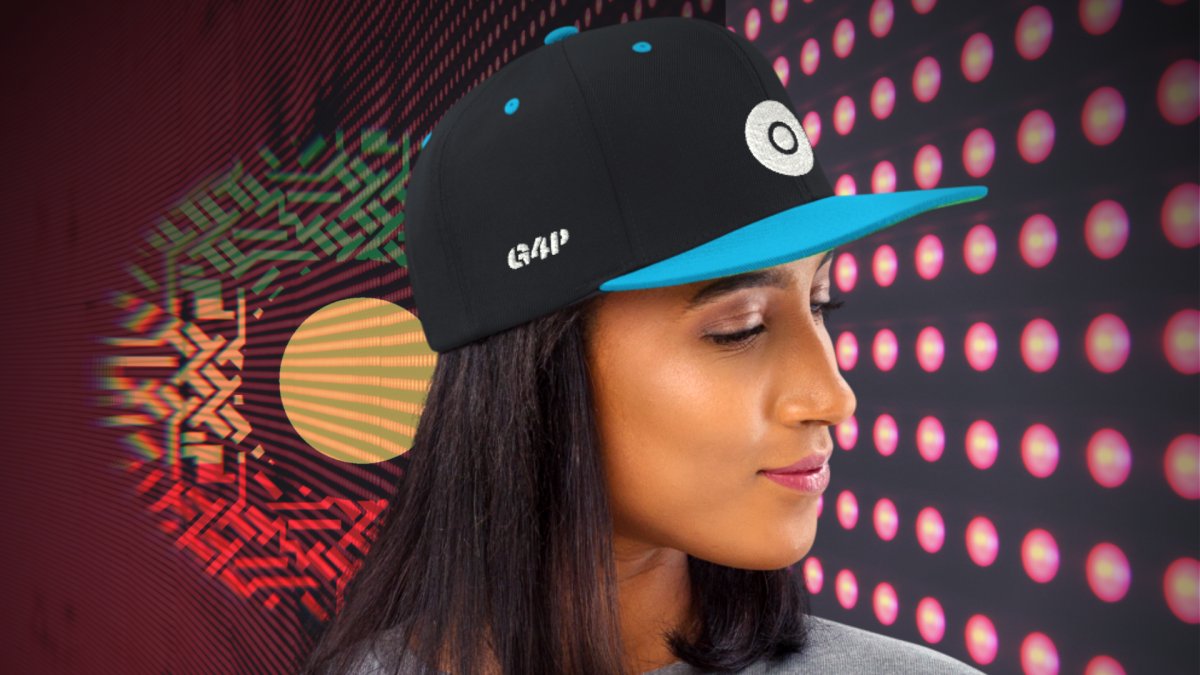
Streetwear accessories are the details that turn an outfit into a look: caps and snapbacks, a crossbody bag, a beanie, simple jewellery, and a reusable bottle or tech case that matches the rest of your kit. Keep it to two accessories at a time. More than that and the outfit starts competing with itself.
Fit, Fabric and Construction: What Separates Good from Disposable
Construction decides how long a piece stays in your wardrobe. Heavyweight cotton holds a print better than thin jersey. Loopback sweatshirt fabric keeps its shape through repeated washing, while cheap blends pill and sag. Check the seams at the shoulders and hem, and look for a print that sits in the fabric rather than on top of it.
This is the honest answer to why some hoodies cost more than others. If you want the full breakdown of what the extra money buys, read our piece on why premium hoodies are worth it.
Building a Streetwear Wardrobe Without Overbuying
Buy fewer, better pieces and let them work together. A workable approach:
- Pick a base palette of three colours that all match
- Buy one statement piece per season, not per week
- Check that every new item works with at least three things you own
- [ ]
Caring for printed pieces properly is what keeps a small wardrobe looking sharp for years. Our guide on washing printed hoodies without ruining the design covers the settings that matter. Watch out: a drawer full of cheap graphic tees that fade after a month costs more over time than three good ones.
Choosing Your First G4P Pieces
Start with the pieces you will wear most. At G4P, our range includes hoodies and windbreakers with geometrical design prints, plus stainless steel water bottles and tech cases with abstract patterns.
The challenge with streetwear essentials is restraint: most wardrobes fail because they are too big and too random, not too small. Build around a handful of pieces you actually wear, then add one statement item at a time. G4P offers bold prints across apparel and functional accessories. Get started with G4P and build a wardrobe where every piece earns its place.
Frequently Asked Questions
What are the key pieces in a streetwear outfit?
A working streetwear wardrobe usually starts with a graphic tee, a hoodie or sweatshirt, relaxed jeans or tracksuit bottoms, and a clean pair of trainers. Add a jacket for layering and a cap or bag to finish the look. Start with neutral base layers and let one printed or patterned item carry the outfit.
How do you style streetwear for everyday wear?
Keep the silhouette simple and let one piece stand out. A plain hoodie with relaxed jeans and trainers works for most days; swap in a geometric windbreaker when you want more impact. Fit matters more than volume: shoulders should sit where they should, and hems should not swallow your shoes. Layering a tee under a hoodie adds depth without bulk, and sticking to two or three colours keeps the outfit looking deliberate rather than thrown together.
How can you wear graphic prints without overdoing an outfit?
Treat the print as the focal point and keep everything else quiet. If your hoodie or windbreaker carries a bold geometric pattern, pair it with solid black, grey or navy bottoms and plain trainers. Avoid mixing two loud prints in one outfit.
How do you build a streetwear wardrobe on a budget?
Buy fewer, better pieces and build around them. Start with two plain tees, one hoodie, one pair of relaxed jeans and one versatile trainer, then add a statement piece when budget allows.